
11 Best Things to Do in Sapa, Vietnam: The Ultimate Sapa Guide
Sapa, or Sa Pa, is one of those destinations that genuinely surprises you. Nestled high in the mountains of northern Vietnam near the Chinese border, it’s long had a reputation as a trekking destination, the kind of place that required muddy boots and multi-day hikes to fully appreciate. And while that version of Sapa still very much exists, it’s only one side of the story.
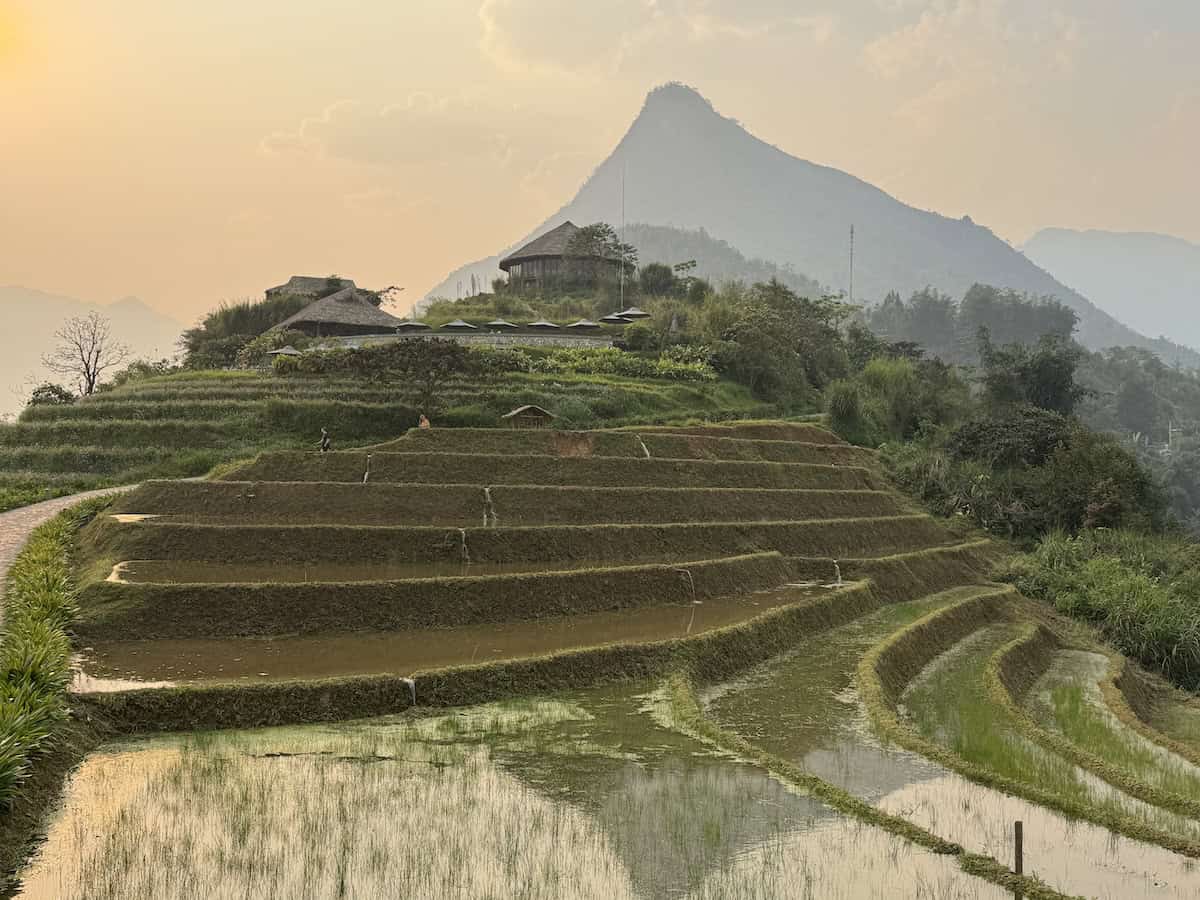
After spending several days exploring the region, I found something far more varied than I expected. Yes, the emerald rice terraces and dramatic mountain scenery are everything you’ve seen in photos. But there’s also a cable car that takes you to the summit of the tallest mountain in Indochina, colorful local villages you can wander at your own pace, stunning viewpoints that are easily accessible by cars, photogenic cafes perched over the valleys, and more than a few genuinely fun surprises along the way.
Whether you’re an avid hiker, a photographer chasing mountain light, or someone who simply wants to soak in the beautiful scenery without breaking a sweat, Sapa has something for you. This guide covers the best things to do in Sapa, Vietnam, along with practical tips to help you plan your visit.
This post contains affiliate links. If you make a purchase using one of these links, I may receive compensation at no extra cost to you. Thank you for supporting my business so I can create content like this for you.
Sapa at a Glance
Before diving into the best things to do in Sapa, here are a few essentials to help you plan your trip.
How Many Days Do You Need in Sapa?
I recommend spending 2 to 3 days in Sapa. This gives you enough time to explore the region’s most famous attractions, experience the mountain scenery, and slow down enough to actually enjoy the atmosphere of the misty mountains.
Given the significant transit time needed to reach Sapa from Hanoi, rushing through it in a day or two would mean spending more time in transit than actually there. Three days felt perfect for us, and also allows for more flexibility if mountain weather limits visibility on one of the days.
When Is the Best Time to Visit Sapa?
Sapa is a year-round destination, but the experience varies significantly by season.
March to May brings pleasant temperatures, lush green landscapes, spring flowers, and excellent conditions for exploring outdoors.
June to August is when the terraced rice fields are at their most brilliantly green, though this is also monsoon season, so expect frequent rain, humidity, and muddy trails.
September to October is widely considered the best time to visit. The rice terraces turn a stunning golden yellow before harvest, the skies tend to be clearer, and the scenery is at its most photogenic.
November to February brings cooler temperatures, frequent fog, and fewer crowds. Snow is possible at higher elevations, which creates a completely different but equally beautiful atmosphere.
How to Get to Sapa
There is word that an airport will be built in Sapa in the future, but currently Noi Bai International Airport in Hanoi (HAN) is the closest airport to Sapa.
From Hanoi you have a few different options:
- Sleeper Train: Takes about 8 hours to Lao Cai Station, followed by a 45 to 60 minute car ride up to Sapa. The best train operators for this route are VICSAPA and Chapa Express. Book early, especially for private cabins, as they sell out fast.
- Bus: Takes about 5 to 6 hours and goes directly to Sapa city center. Both daytime and sleeper buses are available. HK is a reliable company.
- Shared limousine or private car transfer.
We took the luxury overnight train on the way to Sapa, and the HK sleeper bus on the way back to Hanoi. I’ve written a full breakdown of both options here: ***
Book your train tickets here: Luxury Sleeper Trains to Sapa
I recommend adding on the van transfer from Lao Cai to Sapa when you book your trains.
Book your bus tickets here: HK Bus Sapa – Hanoi
Where to Stay in Sapa
In Sapa town: If you want to be close to restaurants, cafes, and attractions, staying in town is the most convenient option.
Top picks include:
- Hotel de la Coupole MGallery – French-inspired luxury hotel with one of the best locations in town with direct connection to Sun Plaza
- Pistachio Hotel – a standout choice with spacious rooms, rear-facing rooms with fantastic views of the terraced rice paddies, and a well-known outdoor pool
- Silk Path Grand Sapa Resort and Spa – elegant rooms with spectacular mountain scenery, just a short walk from the main town center
Outside of town: For a more immersive and peaceful experience, I highly recommend staying in the surrounding area at a mountain resort. Waking up above the rice terraces, watching the mist roll through the valleys from your balcony, and returning to a quiet hilltop retreat at the end of the day is an entirely different kind of Sapa experience.
Top picks include:
- Topas Ecolodge – where we stayed, more on this below.
- Ville de Mont Mountain Resort – stunning stone and wood villas set inside a century-old samu pine forest, with one of the highest infinity pools in Vietnam overlooking Muong Hoa Valley
- Laxsik Ecolodge – beautifully designed H’Mong-inspired bungalows with valley views, a cozy fireplace in rooms, and an infinity pool about 15 minutes from town
If you’re looking for a peaceful and luxury escape, I highly recommend Topas Ecolodge. Perched on a mountaintop about 45 minutes from Sapa town, it’s one of the most breathtaking hotels in Vietnam, with panoramic views of the surrounding valleys and rice terraces. It has one of the most stunning pools I’ve ever seen.
Is Sapa Worth Visiting?
Absolutely. Sapa ended up being one of my favorite destinations in all of Vietnam. The combination of dramatic mountain landscapes, rich cultural heritage, and the sheer variety of things to do makes it well worth the journey from Hanoi. Don’t skip it.
11 Best Things to Do in Sapa, Vietnam
1. Take the Luxury Overnight Train from Hanoi to Sapa
While this is technically how you get to Sapa rather than something you do there, it deserves a mention because it’s one of the most memorable parts of the experience.
The overnight train from Hanoi takes approximately 8 hours to Lao Cai Station, the closest train station to Sapa. Instead of spending 5 to 6 hours on a daytime bus, you can board the train in the evening, get a full night’s sleep, and wake up in northern Vietnam ready to begin your adventure. From Lao Cai, it’s about a one hour drive to Sapa. It’s efficient, comfortable (especially in a private cabin), and genuinely enjoyable.
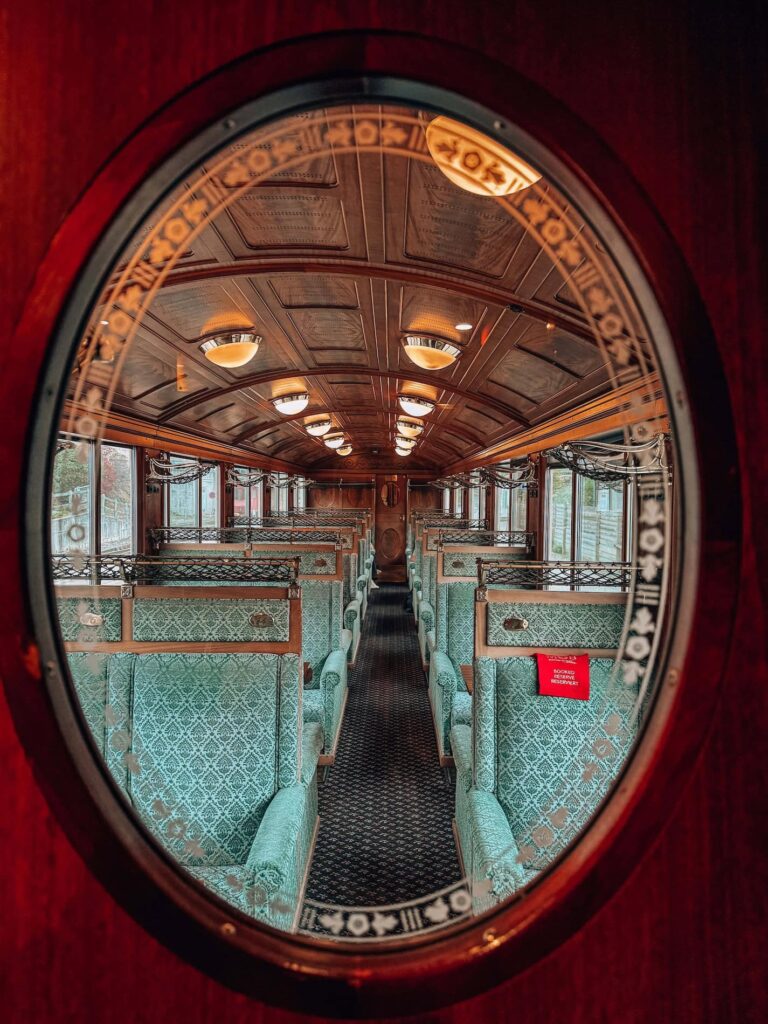
The train itself is one long train divided into sections operated by different companies, each with their own decor and cabin layouts. The most luxurious options are VICSAPA, Chapa Express, and Victoria Express (which was not operating at the time of our travel).
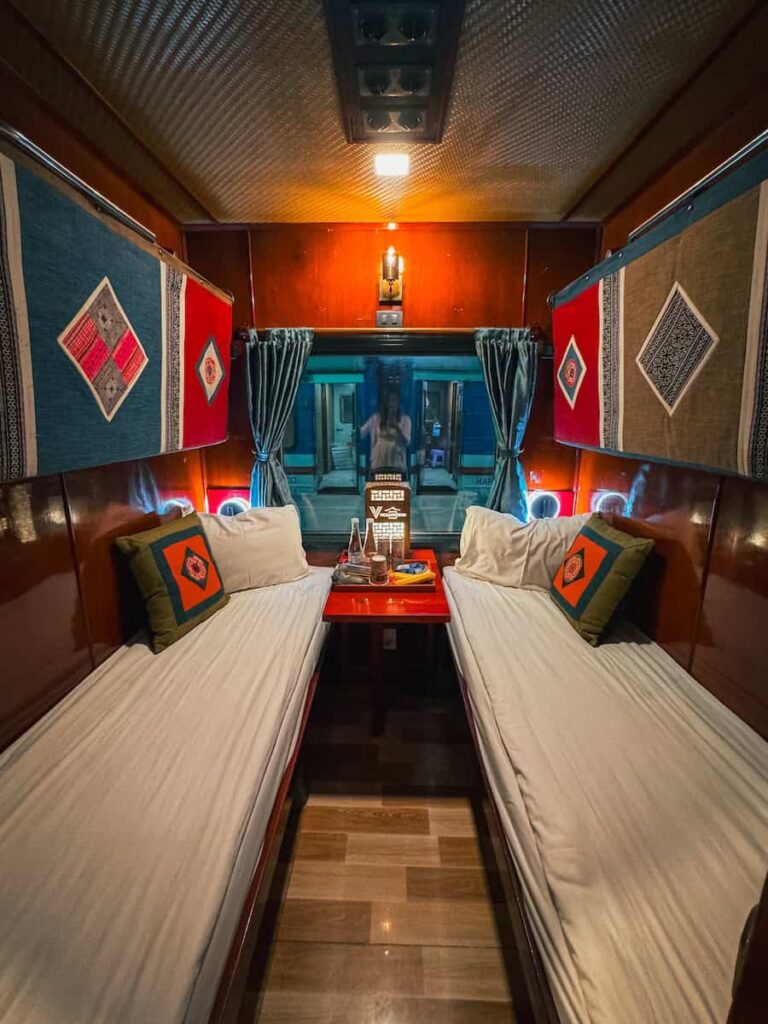
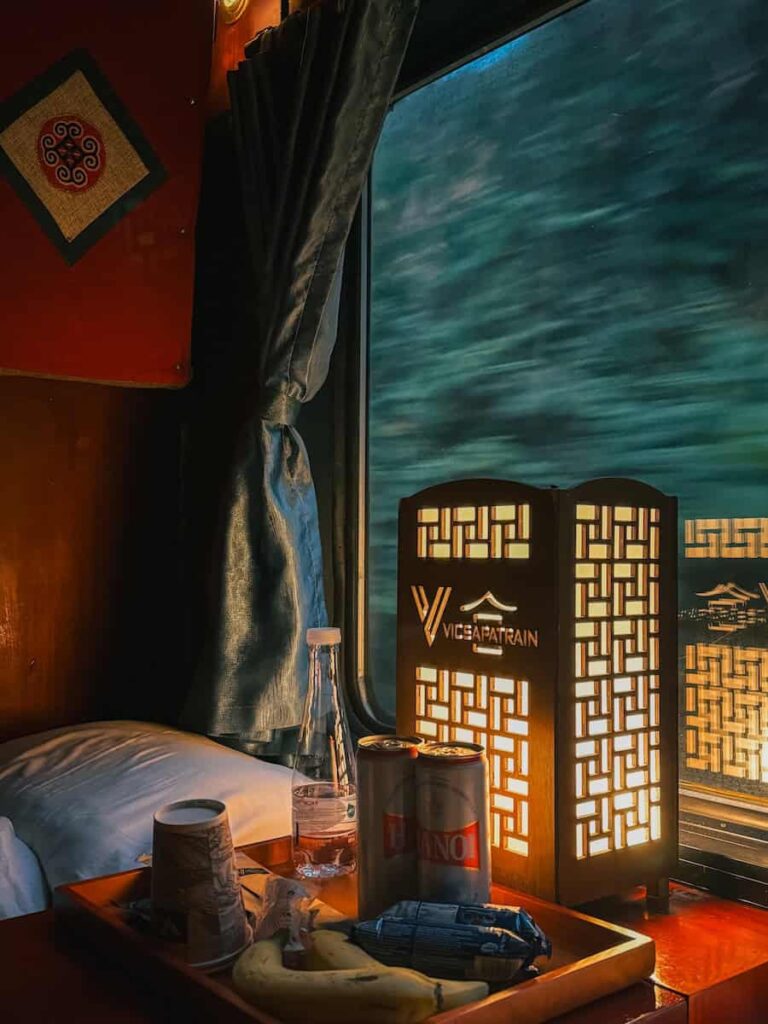
Our first choice was Chapa Express, but it had already sold out by the time we booked our trip. Instead, we stayed in a private cabin on VICSAPA, and it ended up being an excellent experience. The cabin was clean and comfortable, making it easy to get a good night’s sleep before arriving in Lao Cai. The cabin came with complimentary snacks and drinks (unfortunately not cold!), toothbrush kits, slippers, and ear plugs.
Most operators offer both shared and private sleeper cabins. Private cabins can typically accommodate either two or four people. If you’re traveling as a couple, the upper bunks can be folded away, giving you a comfortable private compartment for the night. While it’s more expensive than booking individual beds in a shared cabin, I think the added privacy and comfort are well worth it (because let’s face it, I don’t think I’d sleep as well being in such a tight space with strangers).
Book early. These trains fill up fast, especially on weekends and during peak travel season.
Book your train here (use my code MINYWANDER for a discount!).
We chose to take the train on the way to Sapa and bus on the way back, and I’ve explained in this blog post *** what the differences were, how each mode of transportation compared, and what I would recommend.
2. Visit Fansipan, the Highest Mountain of Indochina
This is the non-negotiable item on any Sapa itinerary (unless you are really, really scared of heights).
Fansipan is the highest mountain in Vietnam and all of Indochina at 3,147 meters, and reaching the summit via the Sun World cable car is one of the most spectacular experiences in the country.
The cable car ride takes about 15 to 20 minutes, and the views on the way up are breathtaking. You float over dense forests, terraced slopes, and layers of cloud. At the top, there’s a complex of Buddhist temples and shrines set against sweeping panoramic views on clear days.
A word of warning: The weather at the summit is highly unpredictable. Because of the elevation, conditions on Fansipan can be completely different from those in Sapa town, and cloud cover can move in quickly. During our visit, visibility at the summit was quite limited despite decent weather below. If you’re hoping for sweeping panoramic views, keep your expectations flexible. Even if the summit is shrouded in clouds, the cable car ride and the journey up to the highest peak are still well worth the experience.
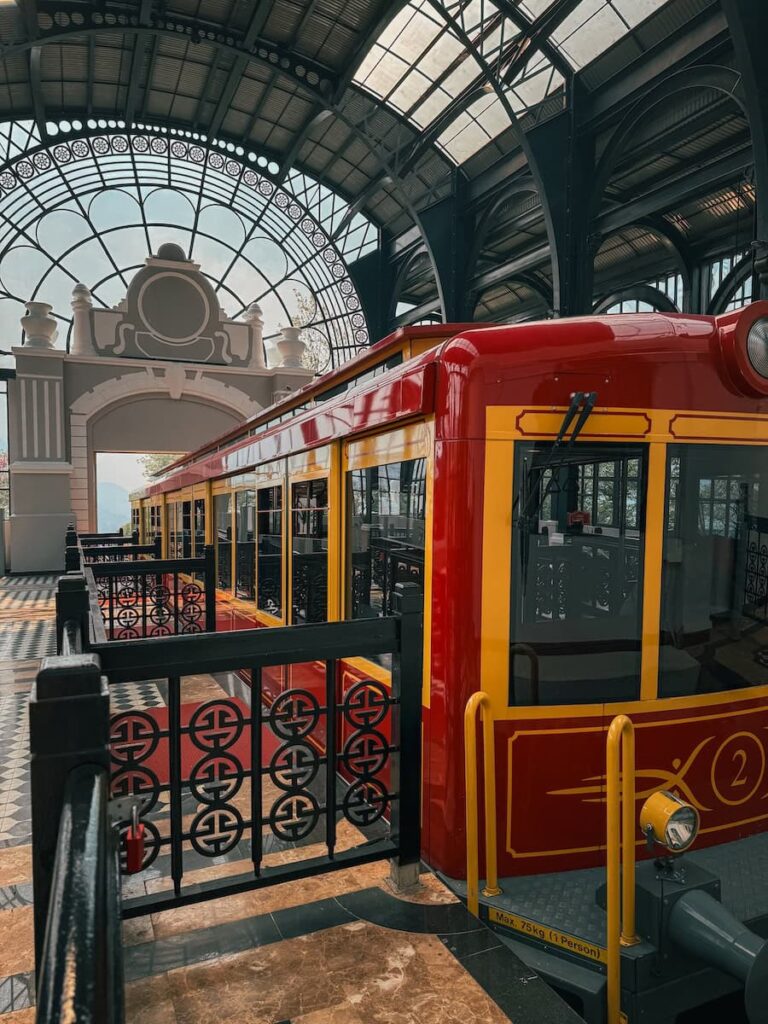
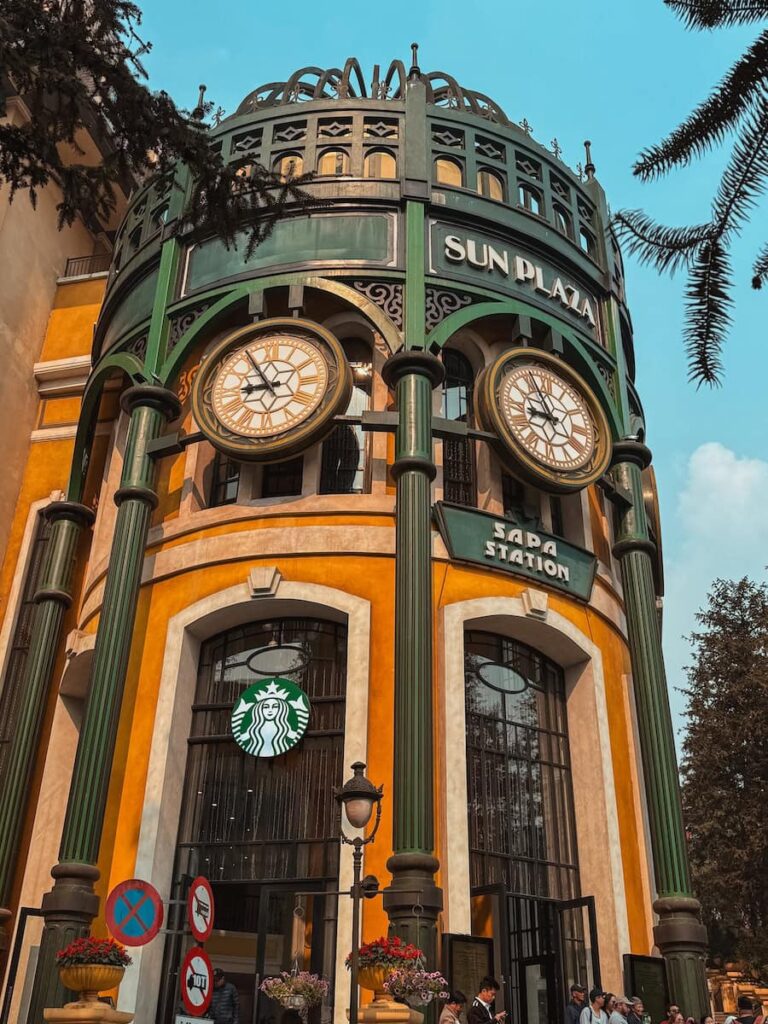
Getting there: Head to Sun Plaza in the centre of Sapa town to board the Muong Hoa Funicular (or tram or monorail), a charming vintage mountain train that takes you to the cable car station. If you’ve pre-booked tickets (which I recommend), you can skip the line and scan your QR code at the entrance.
Tip: Book your cable car tickets in advance, especially on weekends. The queues can get long.
After passing by rice terraces and mountain landscapes, you’ll reach the cable car station and take the cable car up to the top of Fansipan mountain.
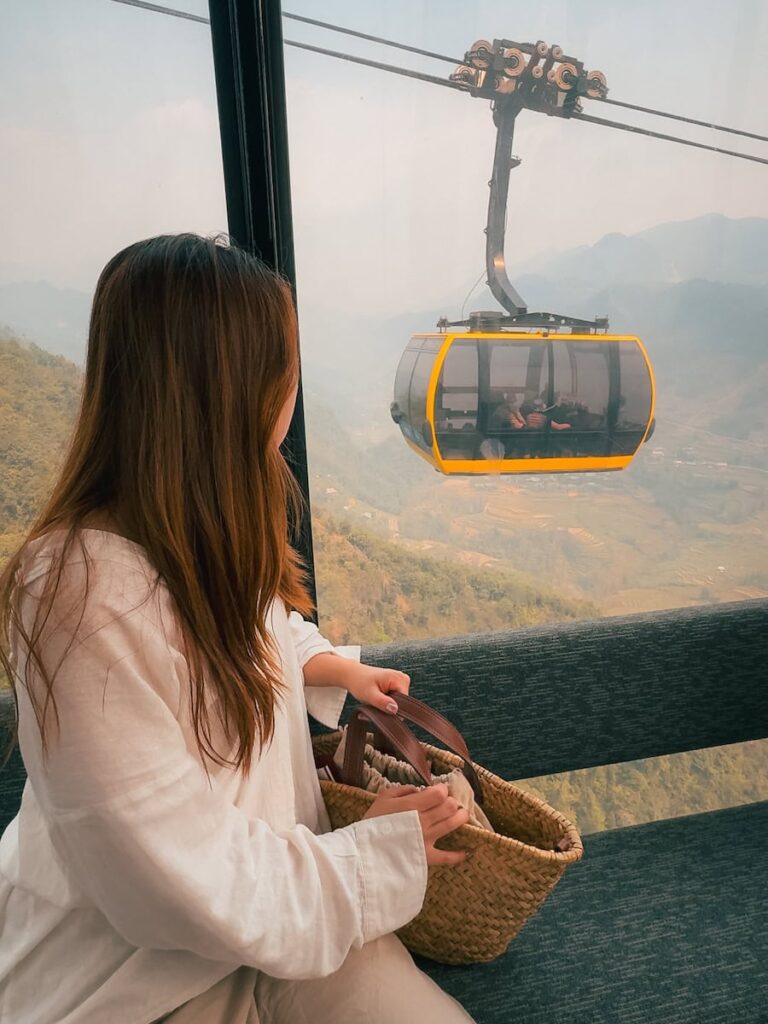
To reach the actual peak, you can take an additional funicular ride (purchase on site) or climb about 600 steps. And you’ll definitely want to bring a jacket because it is quite cold up at the top.
Read my full guide to visiting Fansipan here: ***
Book your Fansipan funicular (monorail) + cable car tickets here.
Klook.com3. Explore Muong Hoa Valley
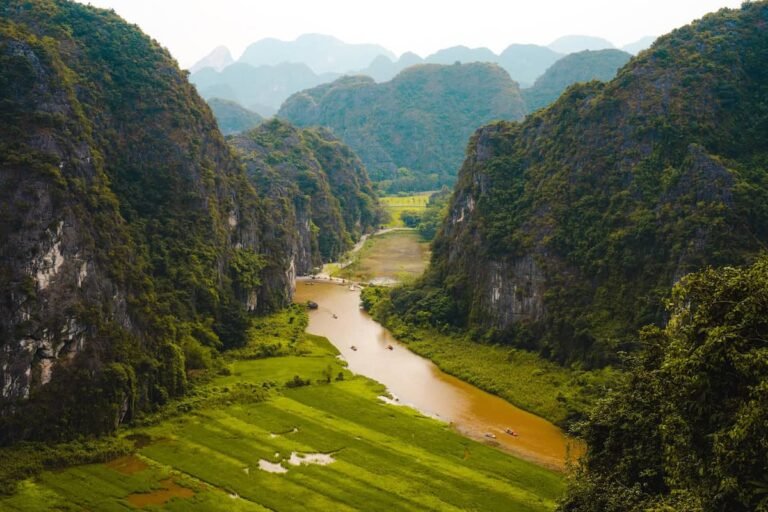
No visit to Sapa is complete without spending time in Muong Hoa Valley, home to the iconic terraced rice fields that make this region so visually stunning. The valley stretches between dramatic mountain slopes and is dotted with villages belonging to ethnic minority communities including the H’mong and Red Dao people.
For those who want a deeper experience, guided treks through the valley are genuinely wonderful. Routes wind through the rice fields and connect small villages like Lao Chai and Ta Van Village, offering an up-close look at local life and landscapes you simply can’t see from the road. A good local guide makes a significant difference.
That said, you don’t need to commit to a full-day trek to appreciate the valley. The scenery is so spectacular that even a drive through the area or a stop at a well-positioned viewpoint is worth it. Grab (Vietnam’s version of Uber) is affordable and widely available in Sapa, making it easy to reach scenic spots without a guide or a full itinerary.
This no-trek tour takes you around Sapa’s best scenic viewpoints overlooking Muong Hoa Valley in a comfortable van, includes a gentle walk with a local guide, and ends the day with a relaxing Dao herbal foot soak.
The valley is beautiful year-round but is especially striking in summer when the terraces are lush and green, and again in September and October when they shift to golden yellow before harvest.
Book a guided half day trek here.
4. Wander Cat Cat Village
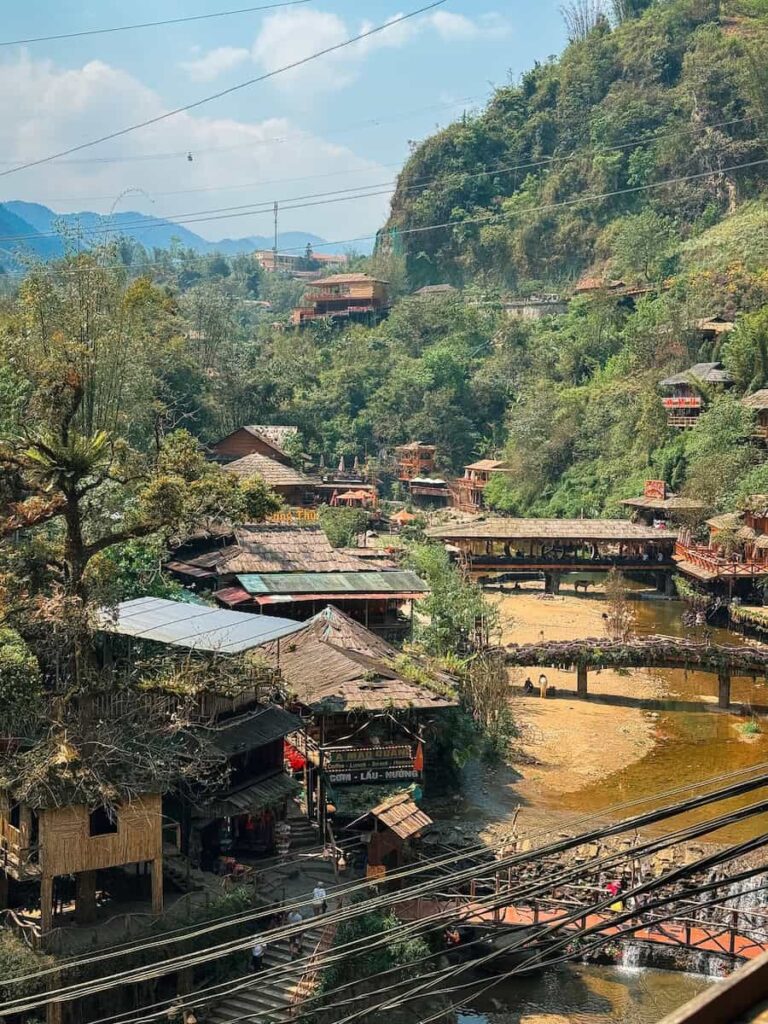
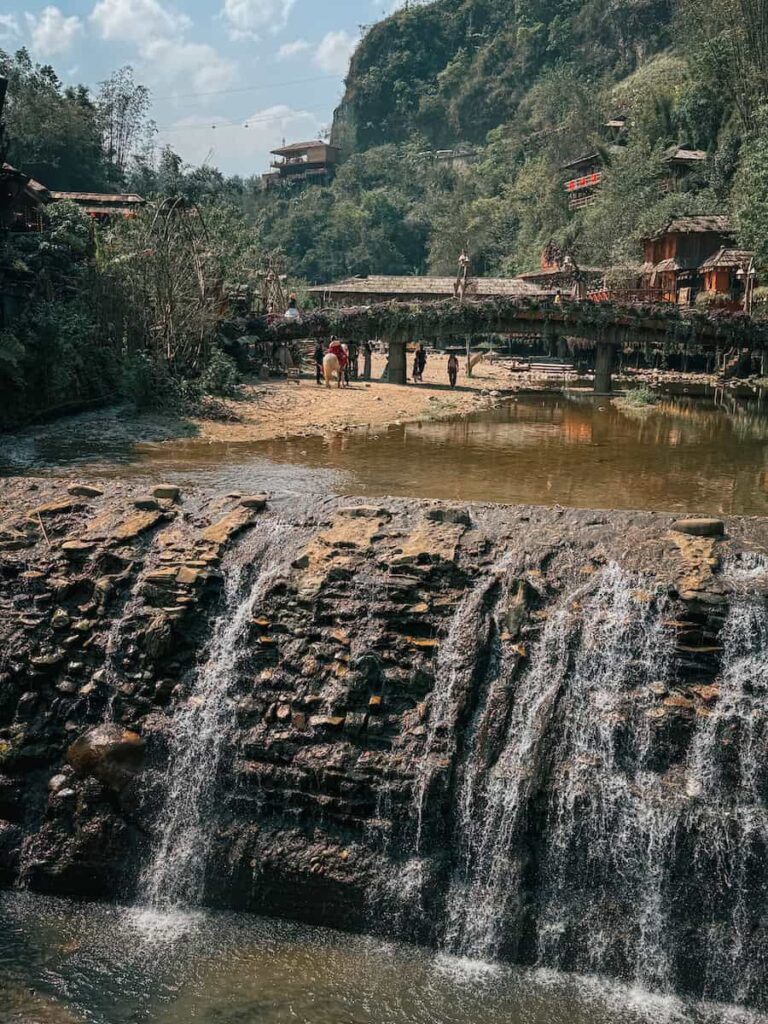
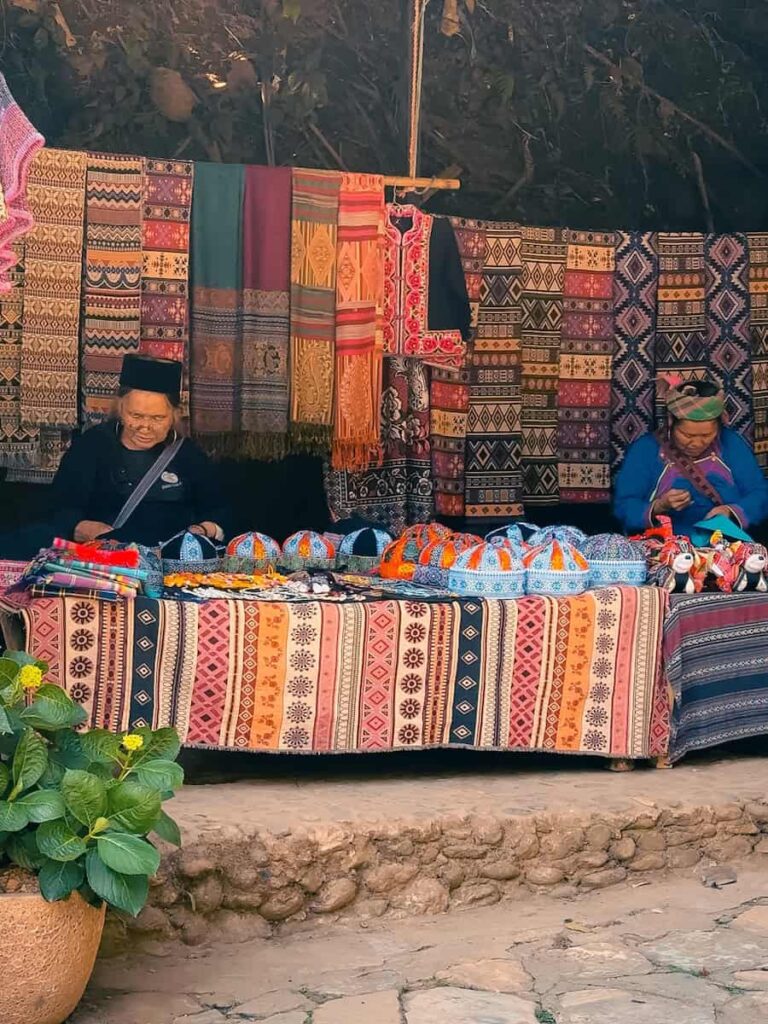
Cat Cat is a Hmong village located about 2 km from Sapa town and is one of the most accessible cultural experiences in the area. A paved path winds downhill through the village past traditional wooden homes, handicraft shops, and scenic viewpoints overlooking the valley below.
Yes, it has become touristy over the years. Some sections of the village are clearly set up for visitors looking for photo opportunities. But even accounting for that, it’s genuinely worth visiting. The village is charming, the scenery is beautiful, and it offers a real window into the cultural heritage of the area without requiring a full-day commitment.
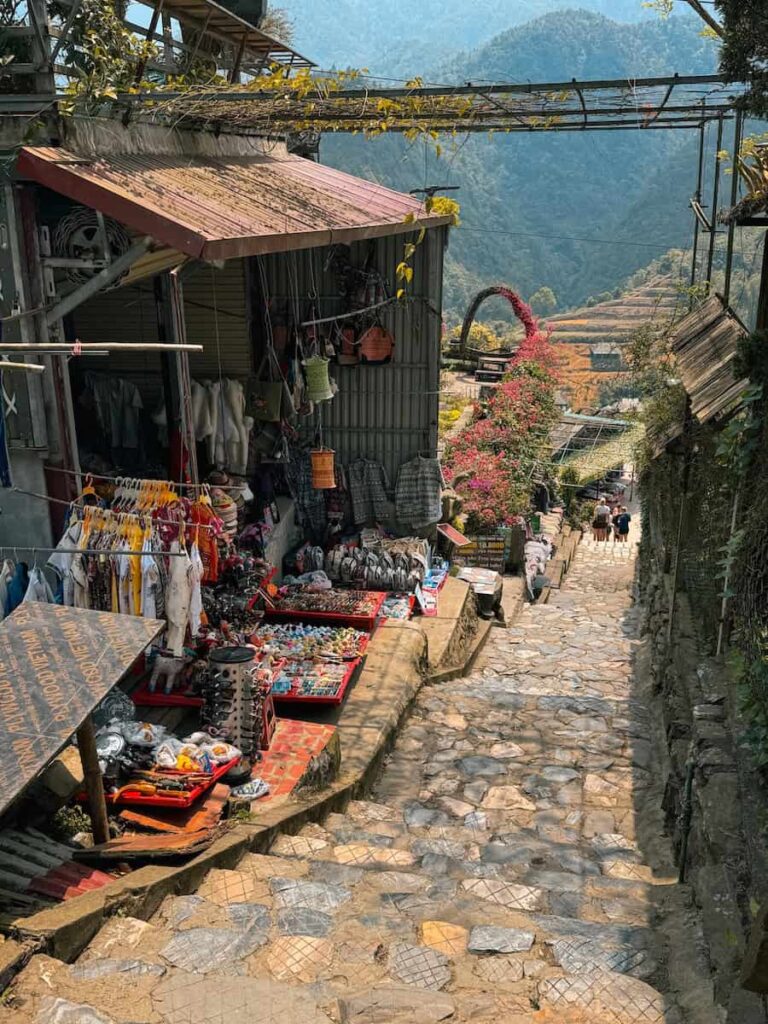
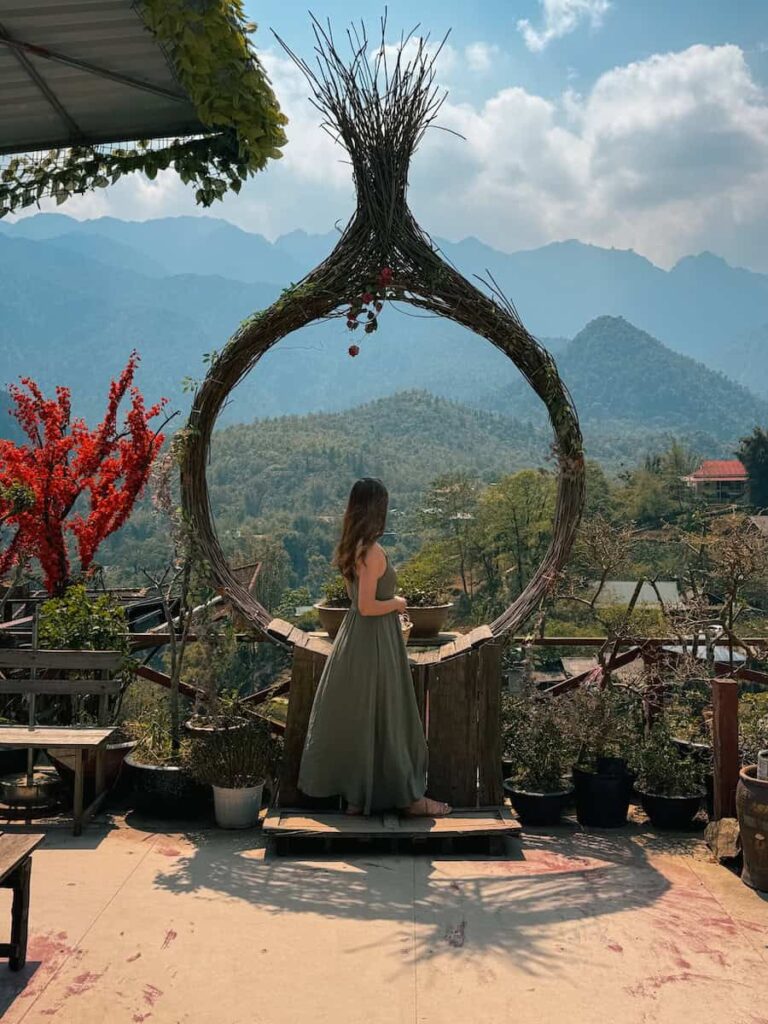
The entrance to Cat Cat Village is about 30 minutes by foot from Sun Plaza. I recommend taking a Grab (Vietnam’s Uber) to the entrance rather than walking. You’ll cover plenty of ground inside the village itself, so save your energy! There is a ticket booth to enter the village and nearby you’ll find multiple shops that rent traditional outfits for a unique experience and incredible photos.
Entrance costs are 150,000 VND, or about $6 USD.
Plan to spend around 2 to 3 hours exploring the village.
If you want a guided tour through the village, book this tour.
5. Ride the Rainbow Slides
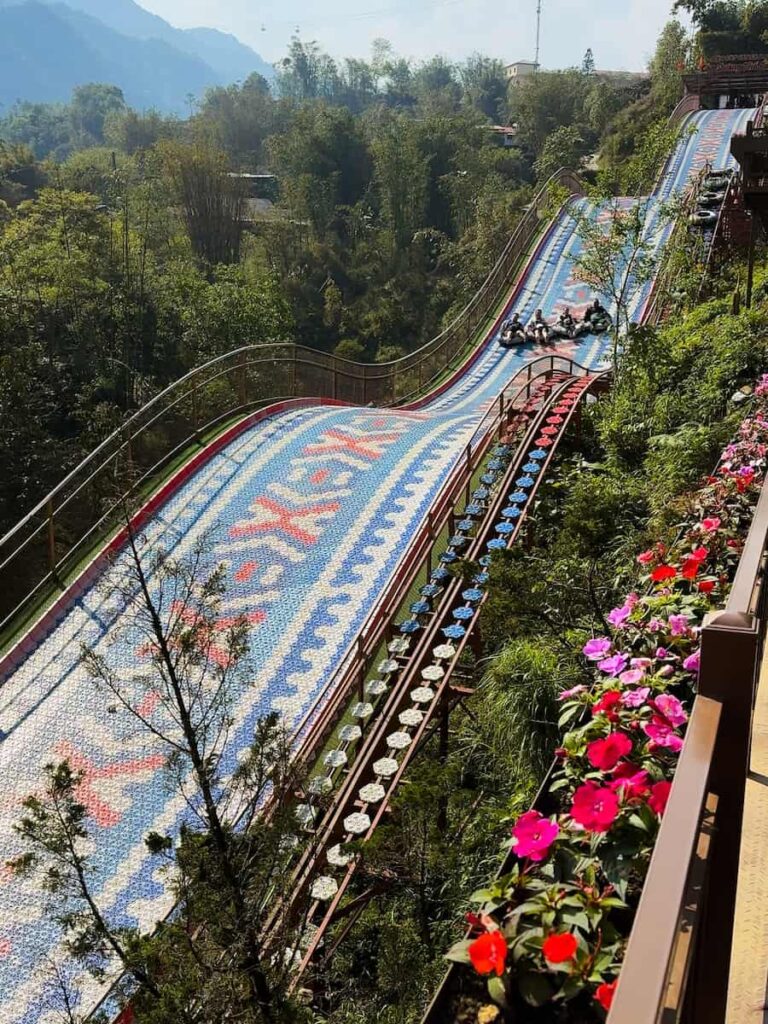
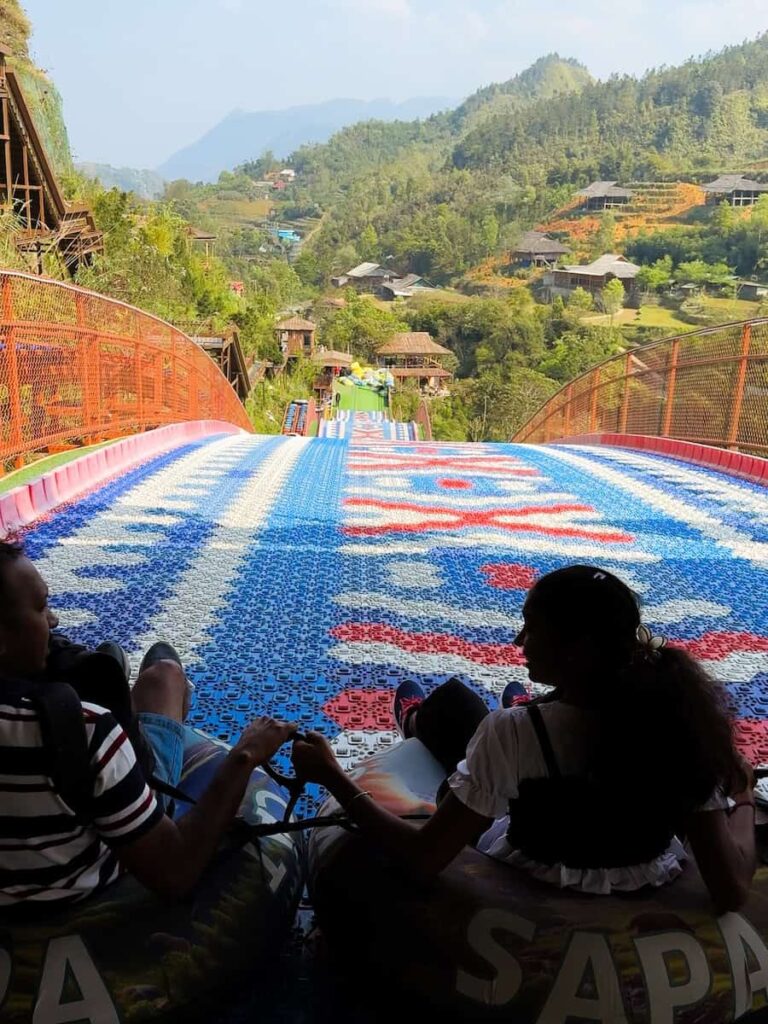
One of the more unexpected things to do in Sapa is ride a rainbow slide. Sounds silly? Do it anyway!
Rainbow slides have become a popular attraction around Sapa, and there are a few different options in the area. We rode the one inside Cat Cat Village, conveniently located near the end of the village path. You hop into an inflatable tube and slide down a long, colorful track with mountain views on all sides. My husband and I were laughing the entire way down. It goes faster than you expect. You can even pay extra for a drone footage of yourselves.
If you want the longest version, Sapa Green Valley (about 2 km from town center) features a 12,000 square meter park with Sapa’s longest slide, three hills, and multiple art installation zones. Admission is around 100,000 VND (about $4 USD).
While it’s certainly not a reason to visit Sapa on its own, it’s a fun activity that’s especially worth trying if you’re already visiting one of these attractions.
6. Stay at a Mountain Resort
Where you stay in Sapa matters more than in most destinations. The choice between a hotel in town and a resort outside of town shapes the entire texture of your trip.
Sapa town is convenient, but since you’re visiting Sapa known for its rice terraces and valleys, I recommend staying in a a mountainside resort for a truly immersive experience and to admire its breathtaking landscapes.
We stayed at Topas Ecolodge, and it was genuinely one of the best hotel stays we had in all of Vietnam. Located about 45 minutes from Sapa town, the resort is perched high above the valley, offering an incredibly peaceful setting that’s worlds away from the busy town center. Waking up to layers of mist rolling over the mountains each morning was an experience I’ll never forget.
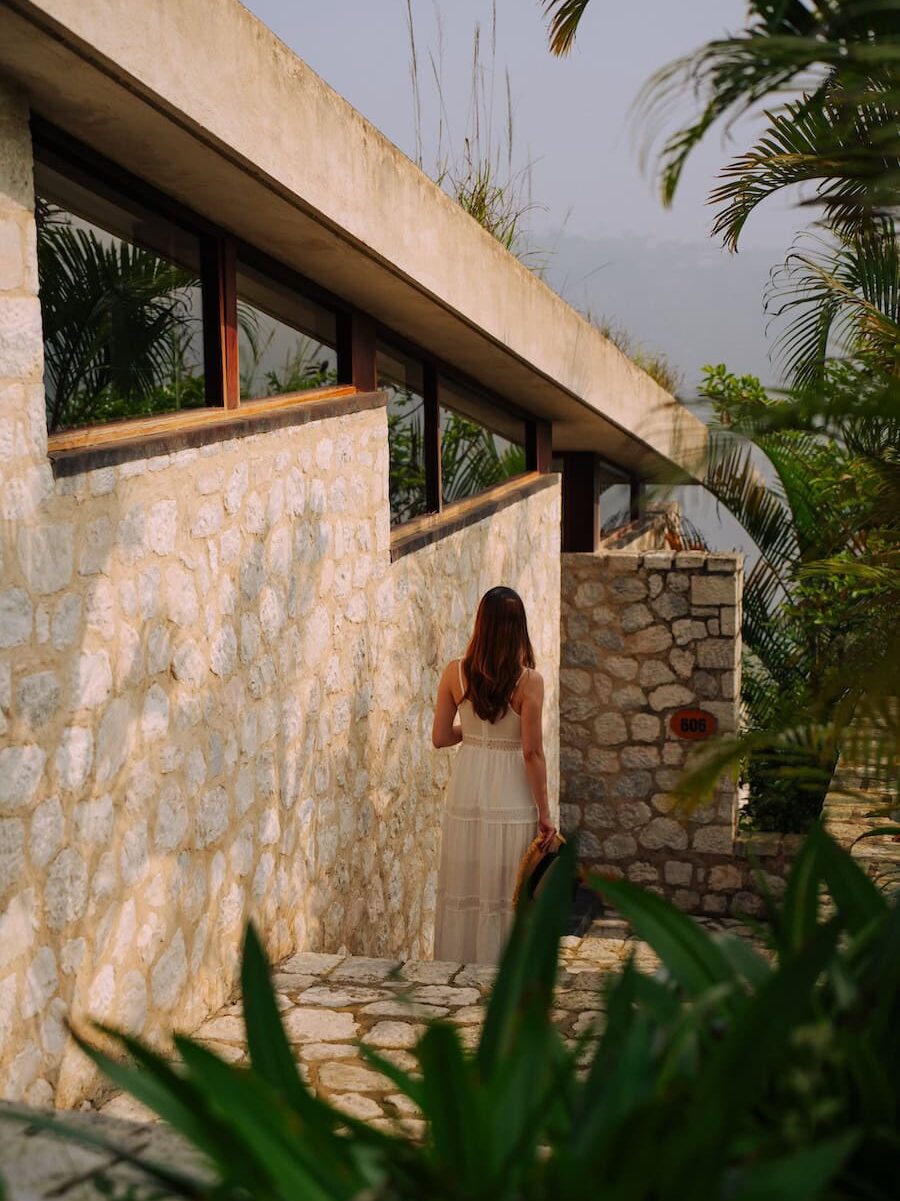
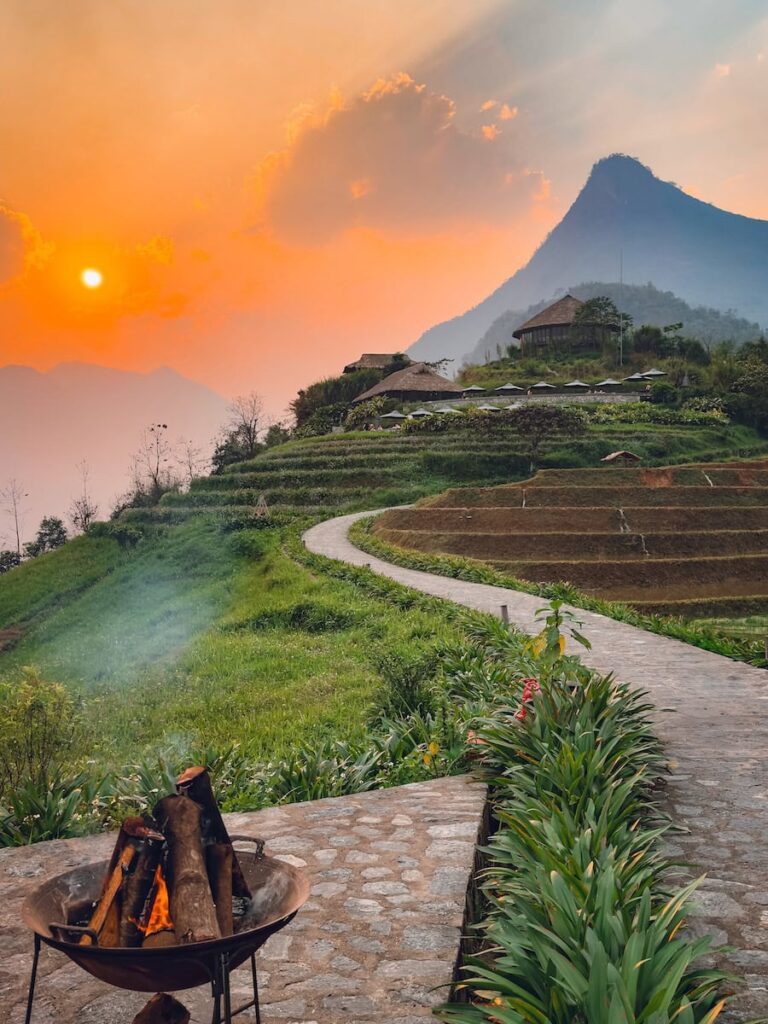
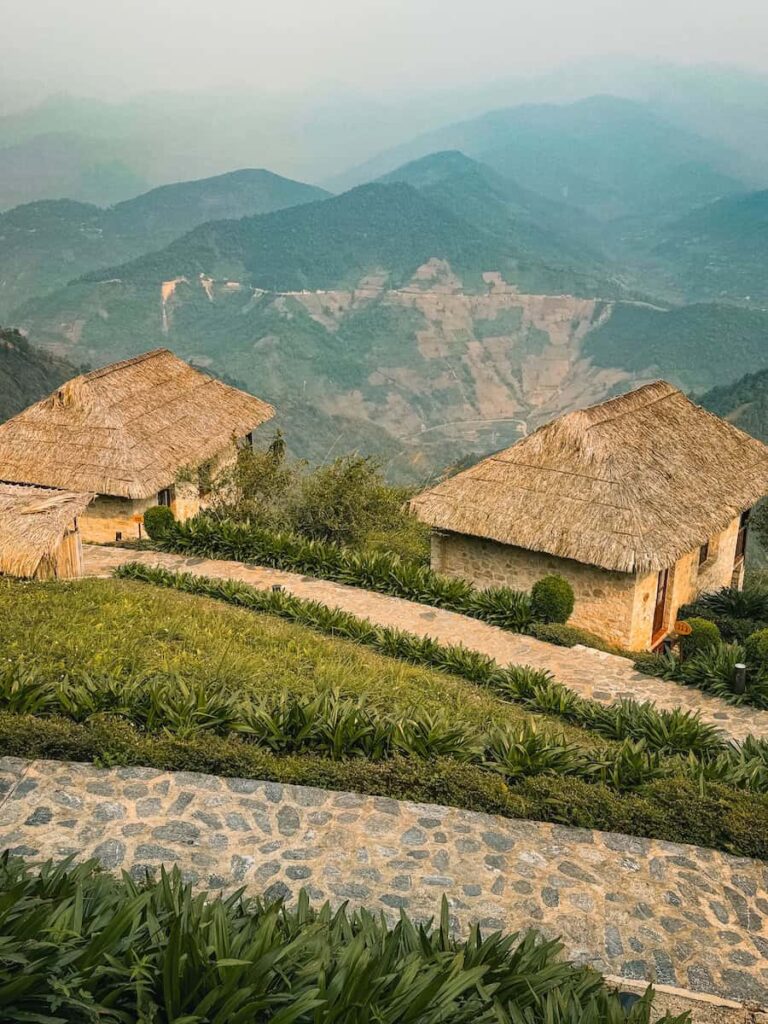
Beyond the stunning scenery, Topas Ecolodge features beautifully designed stone bungalows, two spectacular infinity pools overlooking the valley, an on site spa, and excellent restaurants.
It’s peaceful, intentional, and completely removed from the noise of town. The resort offers a complimentary shuttle into Sapa once a day, and taxis run about 300,000 VND (around $11 USD) for the 45 minute ride, which is excellent value.
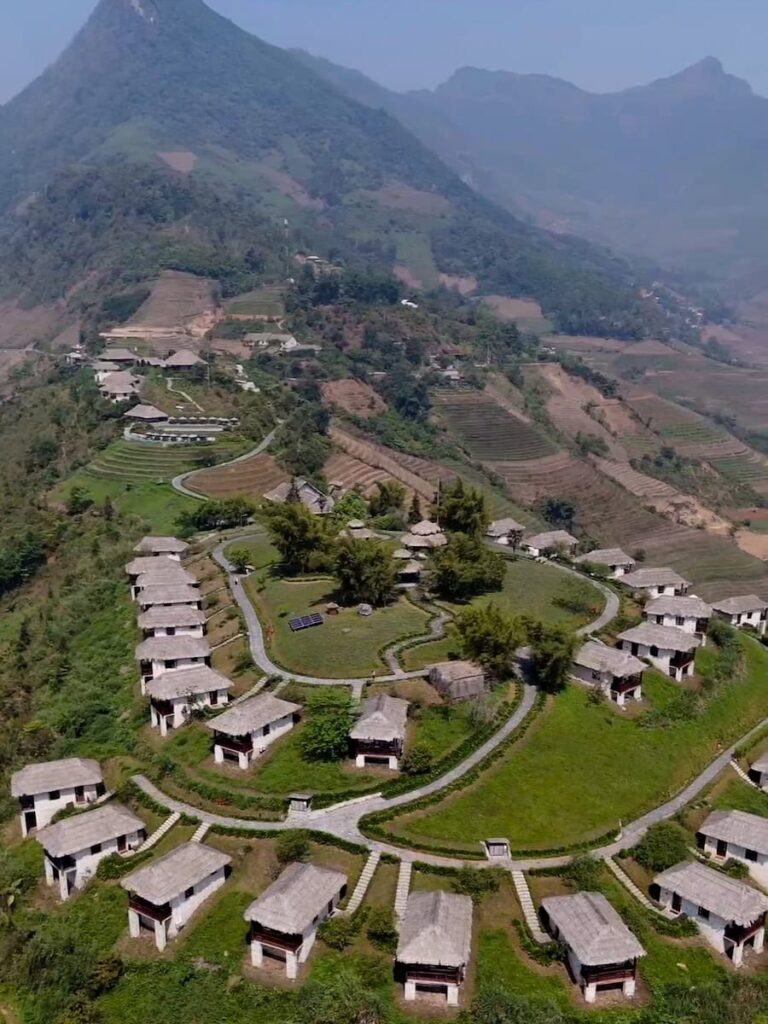
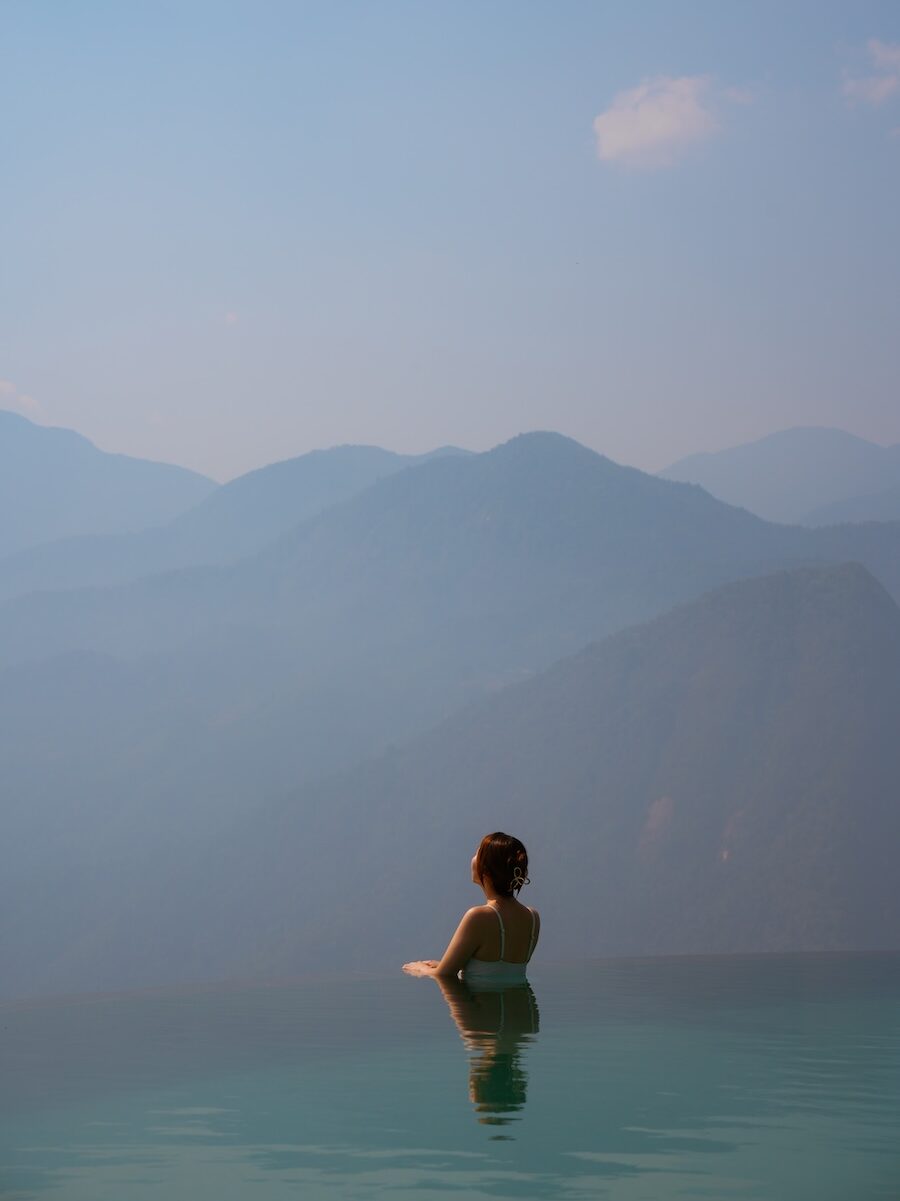
If Topas Ecolodge is fully booked, there are several other beautiful mountain resorts worth considering. These were my top choices:
Ville de Mont Mountain Resort: Stone and wood villas tucked into a century-old samu pine forest, with French colonial and Hmong design influences, working fireplaces, and the highest heated infinity pool in Sapa overlooking Muong Hoa Valley. One of the most stunning properties in the region.
Laxsik Ecolodge: H’Mong-inspired bungalows set about 15 minutes from town, each with a fireplace and balcony views over the rice terraces. The valley-facing infinity pool is beautiful, and the on-site restaurant focuses on locally sourced Sapa cuisine.
No matter which property you choose, I highly recommend spending at least one or two nights at a hotel with mountain views. Waking up above the rice terraces, enjoying coffee from your balcony, and watching the clouds drift through the valleys ended up being just as memorable as visiting Sapa’s famous attractions. Sapa is called Switzerland of Vietnam, and you can really understand why if you stay in the countryside.
7. Explore Sapa Town
Although the surrounding mountains are the main reason to visit Sapa, the town center is worth spending some in.
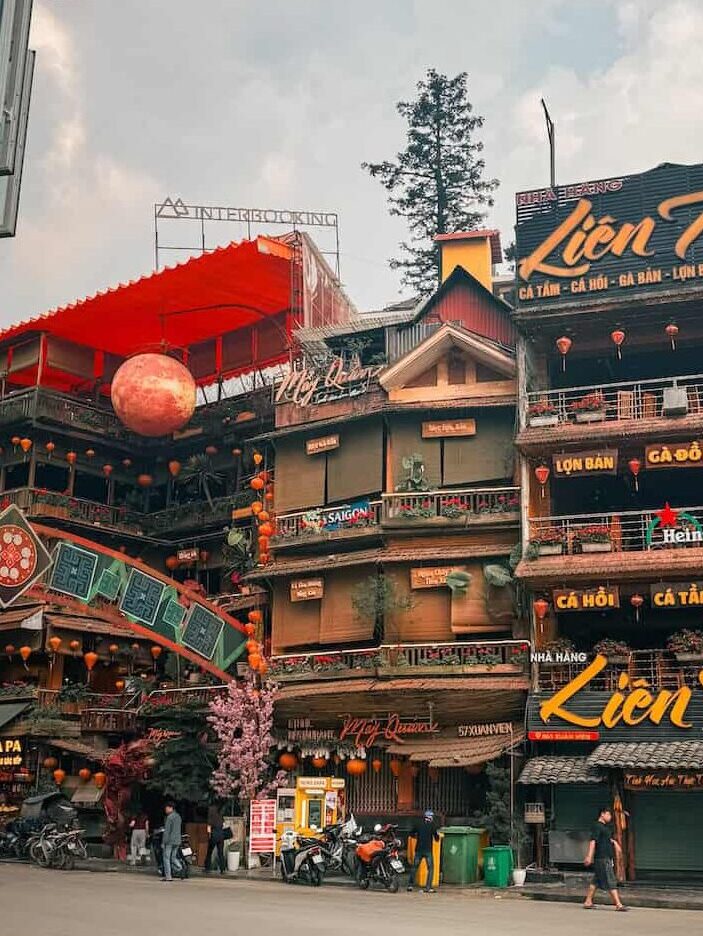
The compact town center is anchored by Sapa Lake and the old stone church, surrounded by coffee shops, restaurants, and vendors selling handwoven textiles and traditional crafts. One of the most recognizable landmarks is Sun Plaza, the colorful French-inspired building that houses the Muong Hoa Funicular station. Even if you’re not heading to Fansipan, it’s worth a look.
Sapa town has a distinctly resort-town energy at this point, but there’s still plenty of character, especially in the early morning when mist still hangs over the hills and local vendors are setting up. The streets become really lively in the evenings as travelers return from a day of exploring and restaurants fill up.
8. Grab a Coffee at Viettrekking Coffee & Restaurant
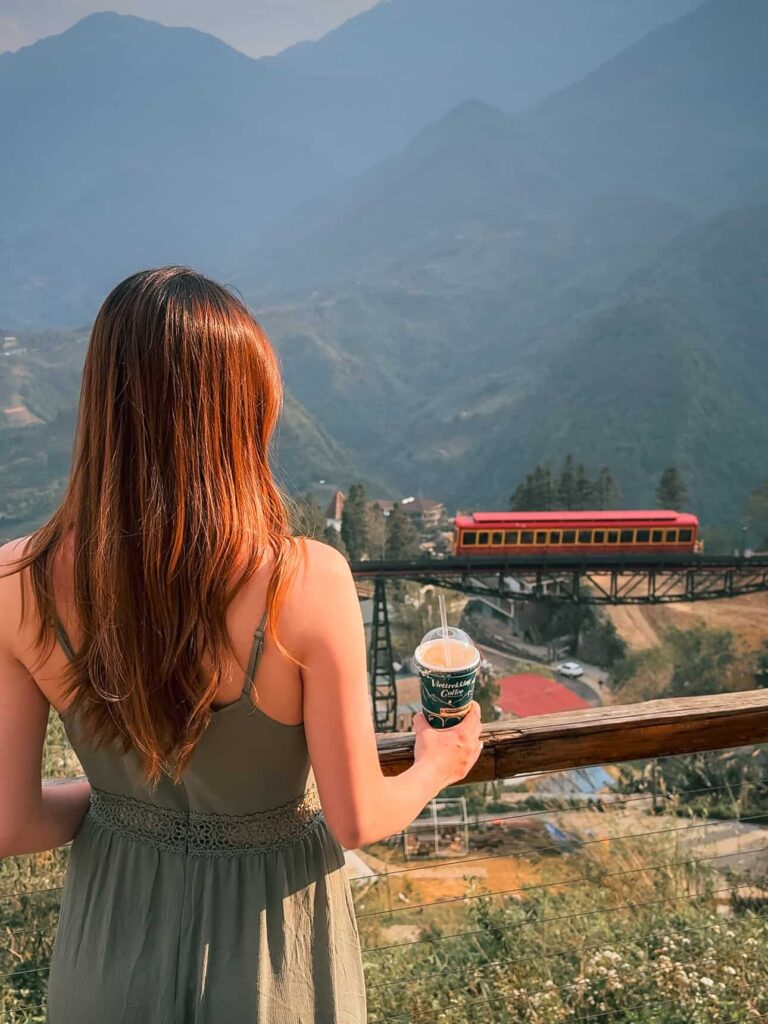
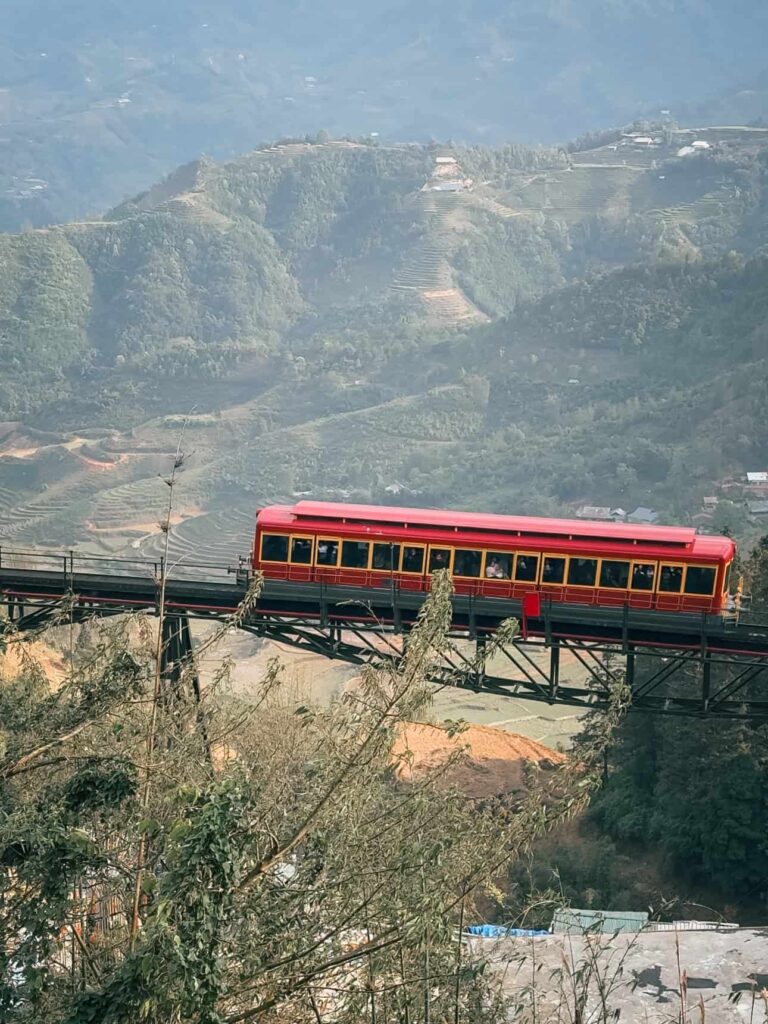
Viettrekking is one of the best spots in town for a coffee with a view. The cafe overlooks the route of the Muong Hoa Funicular, the vintage red and yellow mountain train that travels between Sun Plaza and the Fansipan cable car station. Sitting on the terrace and watching it pass through the hills is genuinely charming.
The café itself has a relaxed atmosphere with both indoor and outdoor seating, but the terrace is where you’ll want to grab a table for the best views.
We only went for coffee, but they do have full meals.
The train runs throughout the day, so don’t worry too much about timing. We saw the train pass in both directions multiple times while we were sitting on the terrace.
9. Visit Moana Sapa
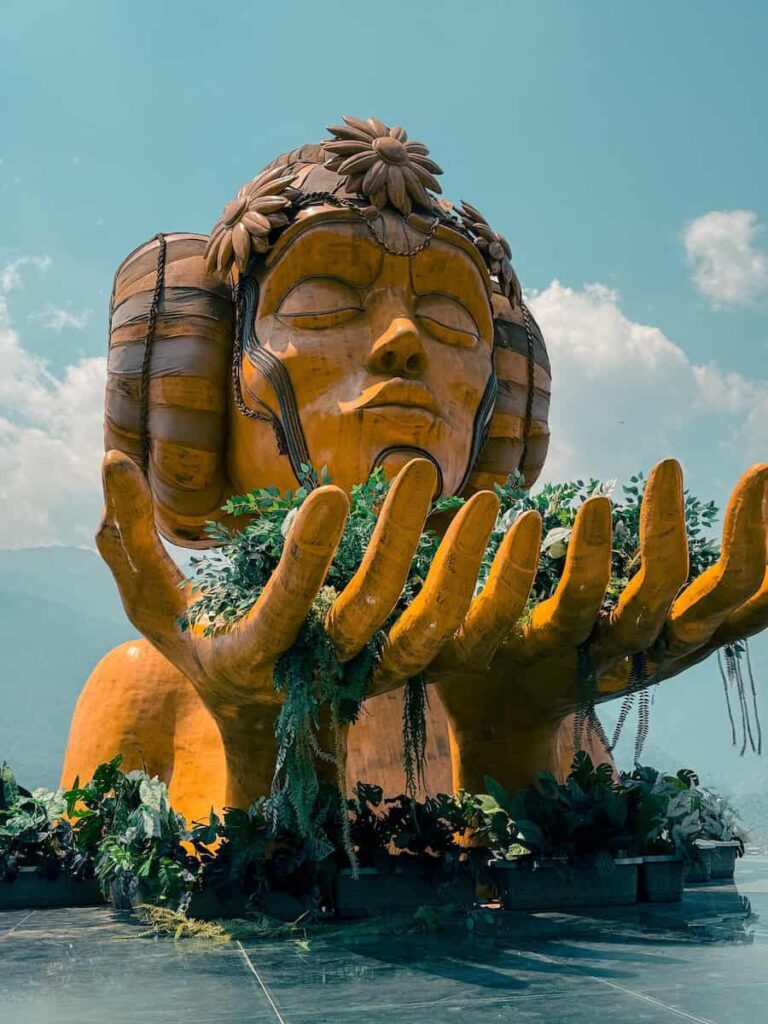
Moana Sapa is a popular tourist attraction, and for good reason. Located about a 15 minute walk from Sun Plaza, it’s an open-air space filled with sculptural installations and terraces set against a sweeping mountain backdrop.
Entrance costs 90,000 VND (about $2 USD) and includes a complimentary drink redeemable at the bar.
Once you pay, you’ll find multiple open-air installations and terraces with a jaw-dropping backdrop.
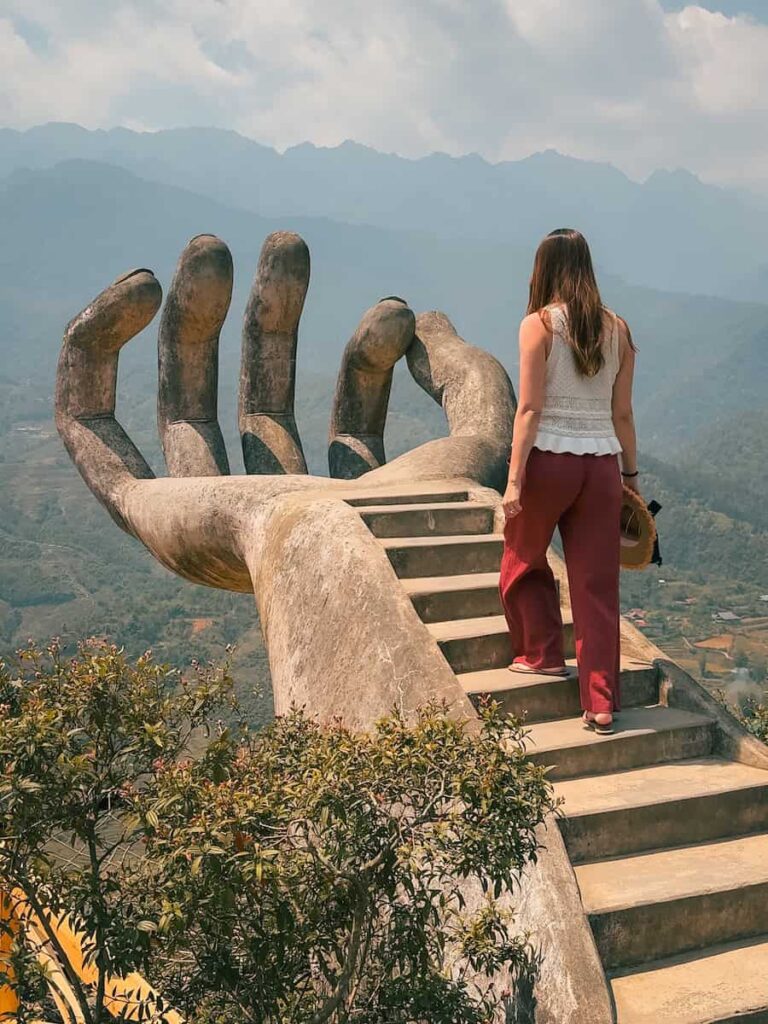
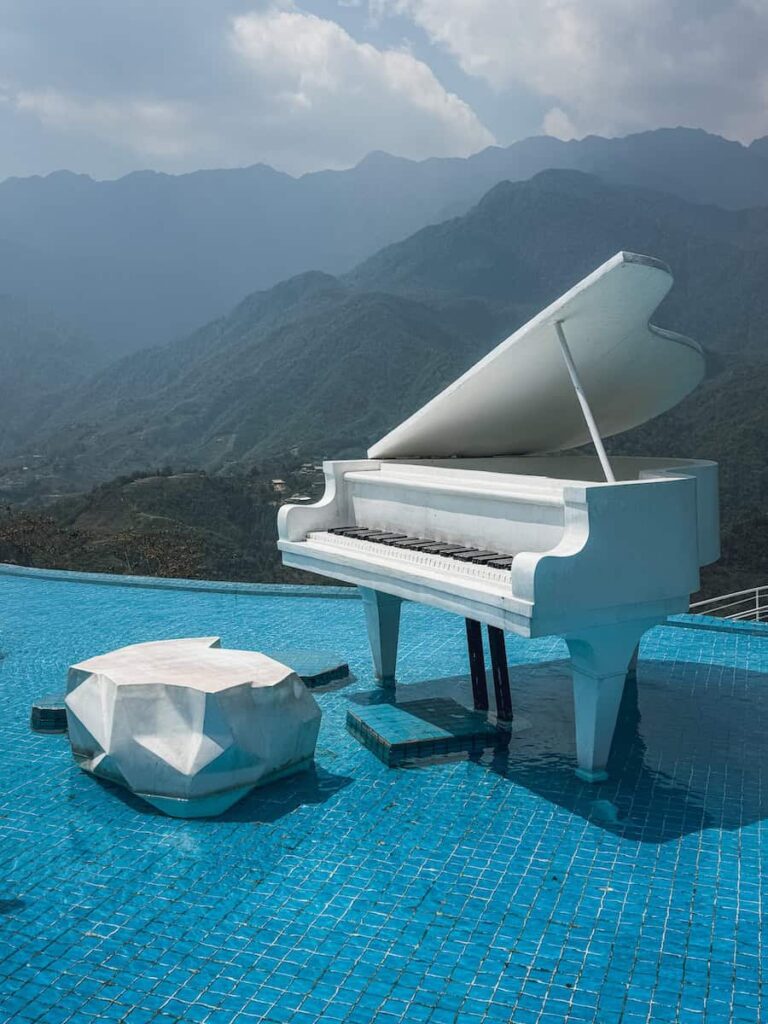
The most recognizable landmark is the giant hand sculpture, which appears to reach out over the valley and has become one of Sapa’s most photographed locations. You’ll also find other popular installations, including the Gate of Heaven, a staircase to the sky, a floating piano, and several scenic viewpoints overlooking the surrounding mountains.
I was genuinely surprised by how beautiful the views were. On a clear day, you can see layers of mountains stretching into the distance. Worth a visit even if the Instagram spots aren’t your thing.
10. Day Trips to Love Waterfall & Silver Waterfall
If you have more time in Sapa, consider taking a short trip to Love Waterfall and Silver Waterfall (Thác Bạc).
Both are located a short drive from Sapa along the road toward Fansipan, making them simple to visit together. There’s no public transportation to either, so you’ll need a taxi, private car, or scooter.
Love Waterfall requires about 20 to 30 minutes of walking through Hoang Lien National Park along a scenic forest trail lined with streams and wooden bridges. The waterfall itself cascades into a clear pool surrounded by dense greenery.
Silver Waterfall, just a short drive away, is a completely different scale: one of the tallest in the region, it drops more than 200 meters down the mountainside and can be viewed from platforms near the road with minimal walking required. Easy to combine with Love Waterfall in a single trip.
11. Soak in a Traditional Red Dao Herbal Bath
After a few days of exploring Sapa’s hills and villages, treat yourself to a traditional Red Dao herbal bath, one of the region’s most unique wellness experiences.
Originating from the Red Dao ethnic group, this centuries old practice uses a blend of medicinal herbs hand harvested from the surrounding mountains. The herbs are simmered for hours before being added to a wooden soaking tub, creating an aromatic bath that is traditionally believed to help relieve muscle soreness, improve circulation, and restore energy.
Whether you’re a believer in the therapeutic benefits or not, it’s an incredibly relaxing way to slow down and connect with an important part of local culture. You’ll find herbal baths at several spas throughout Sapa as well as at some hotels and resorts.
We booked massages and soaks at Eden Central Massage and Spa Experience through Klook (use code MINYWANDER). It was clean, well-run, and deeply relaxing.
Book your spa day at Eden Central Massage, the most popular spa in Sapa town.
Final Thoughts
Sapa surprised me in the best way. I expected a trekking hub with not much else, and instead found one of the most visually stunning places I’ve ever visited, a hotel stay I still think about, genuinely great coffee with views, and more fun than I ever expected to have on a rainbow slide.
Whether you’re the kind of traveler who wants to spend three days trekking through rice terraces or someone who’d rather admire them from a cafe terrace with a coconut coffee in hand, Sapa has a version of itself that works for you. It’s not the easiest destination to reach from Hanoi, but it is absolutely worth the journey.
If you’re building a Vietnam itinerary and Sapa isn’t on it yet, add it.
Don’t forget to see my Hoi An travel guide if you are planning to visit central Vietnam.



One Comment