
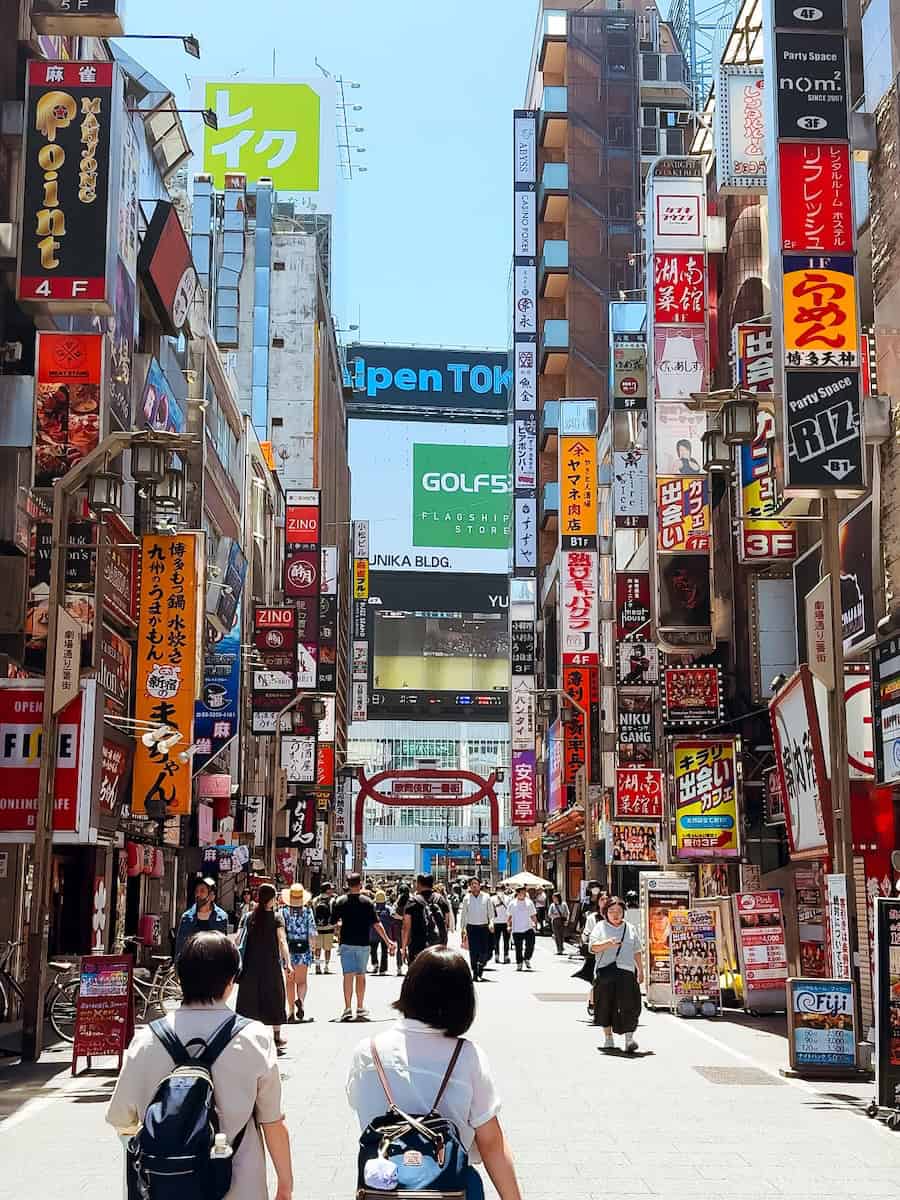
The Ultimate 5 Day Tokyo Itinerary: Best Guide for First Timers
I’ve been to Tokyo three times in the last two years, and I still feel like I’ve only scratched the surface. Tokyo is a massive city, and no two visits ever feel the same.
Tokyo is also not the kind of place you can visit once, check off a few attractions, and feel like you have fully experienced it. Honestly, I could spend an entire month in Tokyo and still not see or do everything the city has to offer.
This is where many travelers start to feel overwhelmed. With such a huge city and endless options, it can be hard to know how to prioritize your time, especially if you are visiting for the first time.
A lot of people make the mistake of either trying to fit in too much, or poorly planning out their days that involves a lot of going back and forth, wasting time and money.
That is exactly why I created this 5-day Tokyo itinerary. It is designed to help first time visitors experience the highlights of Tokyo in an efficient and well paced way, without constantly backtracking across the city. While five days is only a glimpse of what Tokyo has to offer, this itinerary will give you a solid introduction and help you make the most of your time. Let’s dive in.
This post contains affiliate links. If you make a purchase using one of these links, I may receive compensation at no extra cost to you. Thank you for supporting my business so I can create content like this for you!
Things to Know Before Going to Tokyo
Like I’ve said before, Tokyo is a huge city. The public transportation is one of the best in the world, and you’ll be able to get everywhere using trains and buses, but given the size of the city, it can take a lot longer than you expect to get from point A to point B. It can also involve A LOT of walking.
The best way to see Tokyo, is by geographical regions. This 5 day itinerary for Tokyo will be based on grouping closer attractions together, to maximize efficiency and to conserve energy.
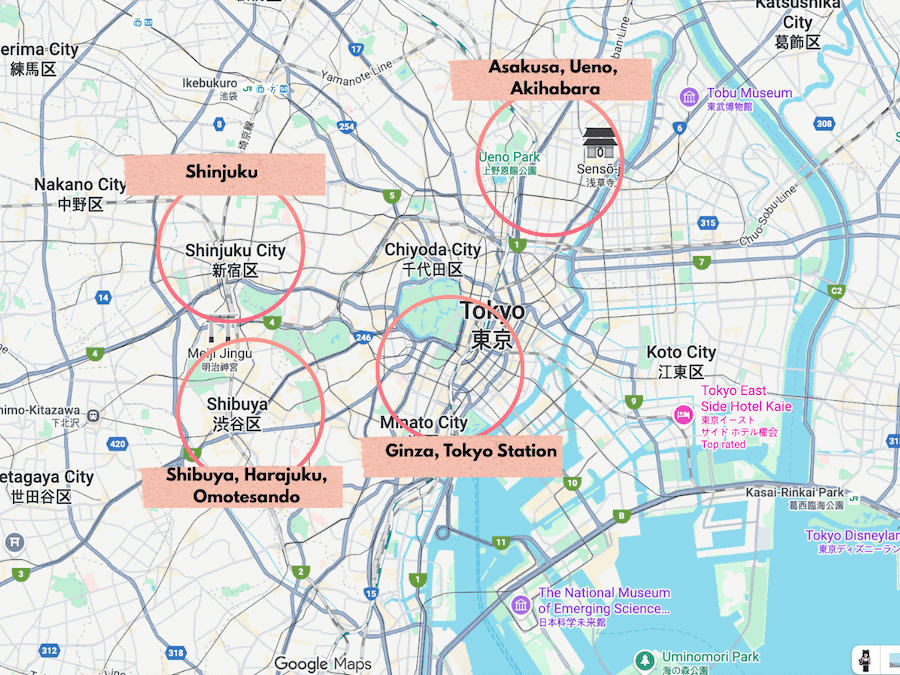
Before you head to Tokyo, you’ll want to read my Tokyo Travel Guide. This has a list of best things to do in the city, and best places to stay at.
Some things to prepare yourself with prior to the trip are:
- Google Maps – the app works really well in Japan, with accurate train and bus schedules and directions.
- Tokyo Subway Ticket – read my guide here for general tips on traveling Japan by train, but I do recommend getting this unlimited subway card through Klook. It comes as 24, 48 or 72 hour versions, and you’ll want to get the 72 hour version one. It’s activated upon first use, so don’t activate it until you’re reading to get the clock rolling.
- e-sim – you’ll need to stay connected with data in Japan. Trust me, you’ll need it for finding directions and searching things all the time. I recommend this one.
- Cash – Japan is becoming more and more credit card friendly, but some places (for example some street food vendors and restaurants) still only accept cash. Make sure to exchange some currency. If you are in Japan, use the ATMs at 7-11 as they have the best rates.
- IC Card – these are rechargeable transportation cards that you can use to pay for subways, buses, and even at convenience stores. iPhone users can simply download it on their Wallet app and reload with a credit card on file, and tap your phone to pay. Suica, Icoca and Pasmo are 3 different types, but they all basically have the same function.
- Activities – some popular activities will sell out quickly so you’ll need to pre-book them. These include teamLab (Planet or Borderless), Shibuya Sky, Tokyo Disneyland just to name a few.
- Klook – I love using Klook for my hotels, transportation and activities in Japan. You can use my code MINYWANDER for 10% off your total (10% for new customers and 3% for returning – I recommend maximizing your first purchase for the biggest discount!)
✦ ✦ ✦
Where to Stay for 5 Days in Tokyo
Where you stay in Tokyo really matters, because of how large the city is. If you want a detailed guide, read my Where to Stay in Tokyo guide.
Shinjuku
Shinjuku is home to one of Tokyo’s largest train stations, well connected to all of Tokyo, and other parts of Japan. Day trips such as Mt. Fuji is a breeze. It is one of the busiest areas and the massive train station can be a little bit overwhelming.
My hotel recommendations:
JR Kyushu Hotel Blossom Shinjuku
Kimpton Shinjuku Tokyo
Shibuya
Close to well known attractions such as Shibuya Sky, Shibuya Scramble Crossing, Yoyogi Park, Harajuku. Also a very busy part of Tokyo.
My hotel recommendations:
Hotel Indigo Tokyo Shibuya
Trunk Hotel (Yoyogi Park)
Ginza
Most luxurious, central, has a good luxury shopping & dining scene, and upscale hotels although pricey. Streets are clean and pleasant. Close to Tsukiji Market.
My hotel recommendations:
Hyatt Centric Ginza
Tokyo Edition
Roppongi
Located between Shibuya/Harajuku and Ginza/Chiyoda, it is easy to explore rest of Tokyo from this area. Known as a fun, exciting neighborhood with abundance of bars, nightlife and party scene.
My hotel recommendation:
Andaz Tokyo Toranomon Hills
After many visits, my favorite area to stay in is Ginza for its cleanliness, and less chaotic compared to Shinjuku or Shibuya. However, if it is your very first visit, Shinjuku or Shibuya will be super convenient to get to everywhere and they are both solid options.
Tips for Tokyo Hotels:
🚇 Choose a hotel near a Yamanote subway line for convenience.
🏪 Bonus points if there are Konbinis (convenience stores) nearby.
🧳 If you stay in more than 1 hotel, ship your luggage from one hotel to the next (ask your hotel front desk and it usually takes 1 day) instead of lugging it around on subway or having to use expensive taxis.
🛏️ Japanese hotel rooms tend to be small. Make sure to check room size when you’re booking.
✦ ✦ ✦
Day 1: Arrival + Shinjuku
Arrival
Welcome to Tokyo. Whether you’re flying into Haneda or Narita Airport, it’s easy to get to Shinjuku.
The best way to get to Shinjuku from the airports is to take the limousine buses, or you can also take the train.
From Narita: airport limousine bus, Narita Express, Keisei Skyliner train
From Haneda: airport limousine bus
Pro tip: If you’re staying elsewhere and want to save time, or if you are arriving in the morning and check-in isn’t available yet, considering using this same day luggage transfer service from Haneda or Narita airport to your hotel. You can ship your luggage to your hotel, and head straight to Shinjuku to start exploring right away!
Shinjuku is one of the busiest neighborhoods in Tokyo and the largest entertainment district in Japan. What fascinates me about Shinjuku is how amid towering skyscrapers, sleek modern architecture, and glowing neon signs, you’ll find narrow, nostalgic alleys lined with tiny food stalls and cozy bars. Seeing these old school pockets coexist so seamlessly with the ultra modern cityscape is what makes Shinjuku feel truly special.
To ease into your trip, start by taking a stroll around Shinjuku Gyoen National Garden. It takes about 10 minutes to walk on foot from Shinjuku Station. This large park is perfect for slowing down and admiring the seasonal trees and flowers. This garden is especially beautiful during spring when cherry blossoms are in bloom. In fact, if you’re visiting during cherry blossom season between mid-March to early-April, you’ll need to make advance reservations to enter this garden. Outside of these times you can visit freely without booking ahead.
Afternoon: Shinjuku
In my opinion Shinjuku truly comes alive after dark. As night falls, the neon signs start to glow and the streets are pumping with energy, creating a completely different atmosphere from the daytime.
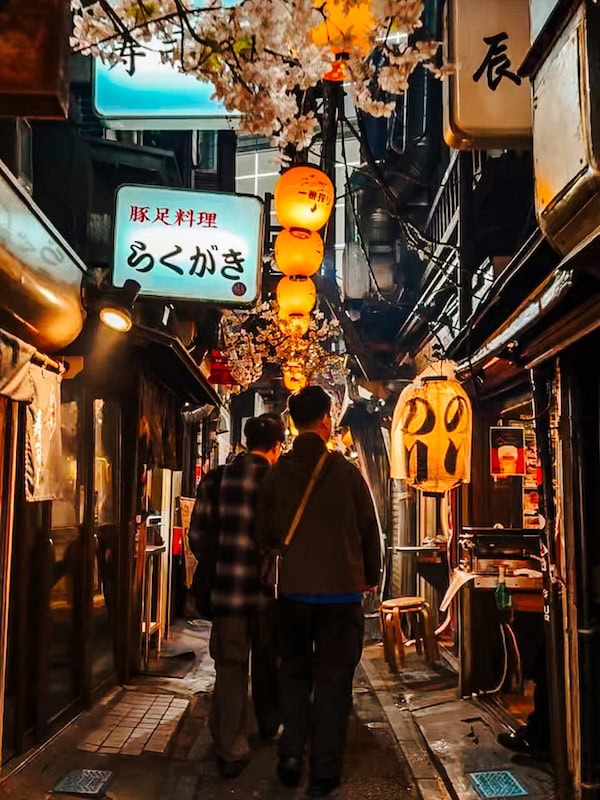
Head to Omoide Yokocho, a narrow alley in Shinjuku with a retro Showa era atmosphere. The name is quite fitting, as it translates to “Memory Lane.” The street is so tight that you’re guaranteed to bump some shoulders as you try to walk through.
Tiny restaurants and izakayas line the alley lined with glowing lanterns, and you’ll find diners sitting shoulder-to-shoulder in these intimate spaces. Instead of settling on just one spot, I recommend hopping between a few places to sample the food and vibes.
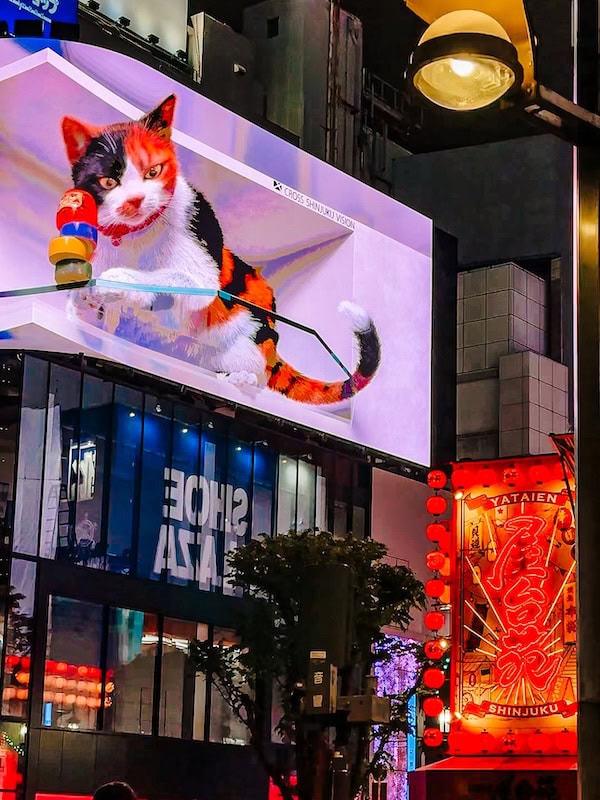
Next, walk just a couple minutes to find the Giant 3D Cat board. This is the exact location. I love seeing this giant animated cat perched on this building every time I visit Tokyo!
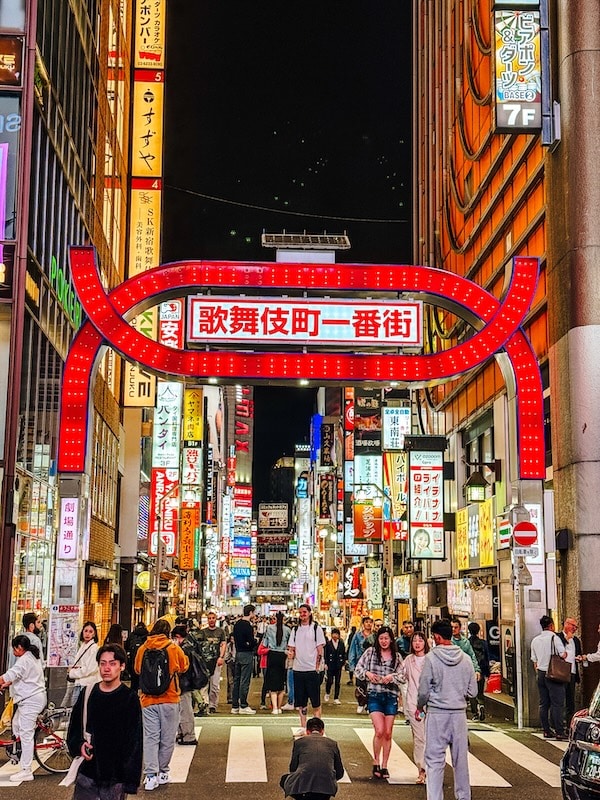
Now if you walk about 7 minutes from the cat, you’ve arrived at Kabukicho, Tokyo’s famous entertainment district. To be honest I admit I felt slightly overwhelmed at first with all the flashing neon lights and the night crowds. It never felt unsafe, but it is important to be aware of touts who are notorious for trying to lure visitors into bars that overcharge. Simply ignore them and keep walking. We were traveling as a couple and we weren’t really approached by anyone, but always be mindful and careful. Personally I would avoid visiting this area at night with children.
Lastly on our Shinjuku agenda, is Golden Gai. This is another alleyway packed with tiny bars, with a nostalgic ambiance. Whereas Omoide Yokocho has more food options, Golden Gai is more for just drinks. Each bar has its own personality, making it fun to wander and pop into one or two spots to end the night.
Day 2: Shibuya, Harajuku, Omotesando
Morning: Meiji Jingu Shrine
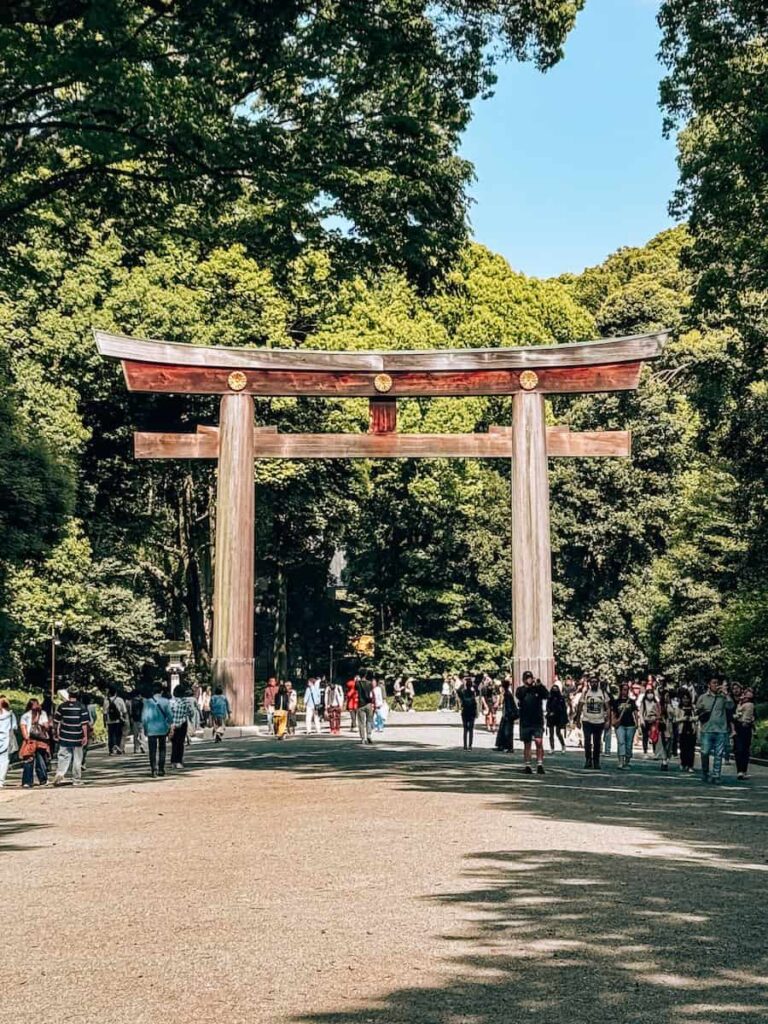
If you’re still recovering from all the noise and buzz from last night in Shinjuku (and not to mention jet lag…), we’ll be starting out day 2 in a peaceful manner at the Meiji Jingu Shrine.
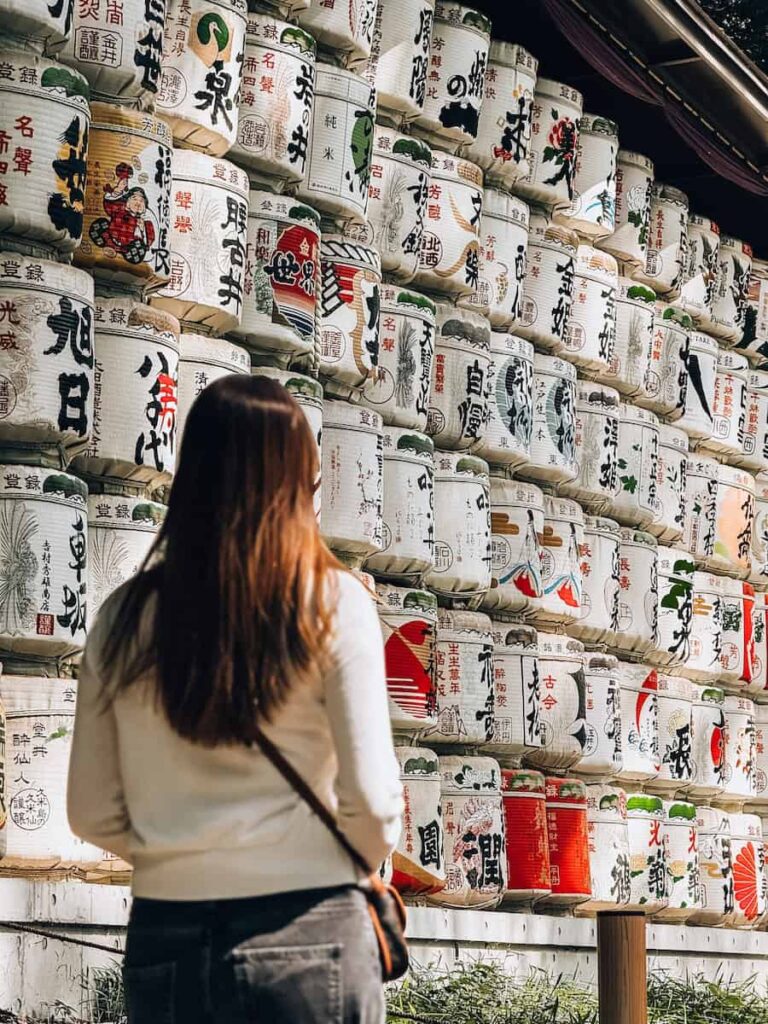
It’s free to enter, and really calming, especially in the quieter mornings. My favorite here is the Consecrated Sake Barrels at the shrine entrance which are offerings to the shrine, because they really make the perfect photo backdrop. Opposite to them there are Western wine barrels too.
One of the places on my seemingly endless list of things to eat in Japan was Afuri Ramen. It’s a chain that started off in Tokyo, and apparently now they even have a few locations in the US. My brother who visited Tokyo recently recommended the yuzu ramen here and there’s a location in Shibuya, so we decided to eat here for lunch and I’d recommend it if you’ve worked up an appetite after Meiji Shrine.
Afternoon: Harajuku + Omotesando
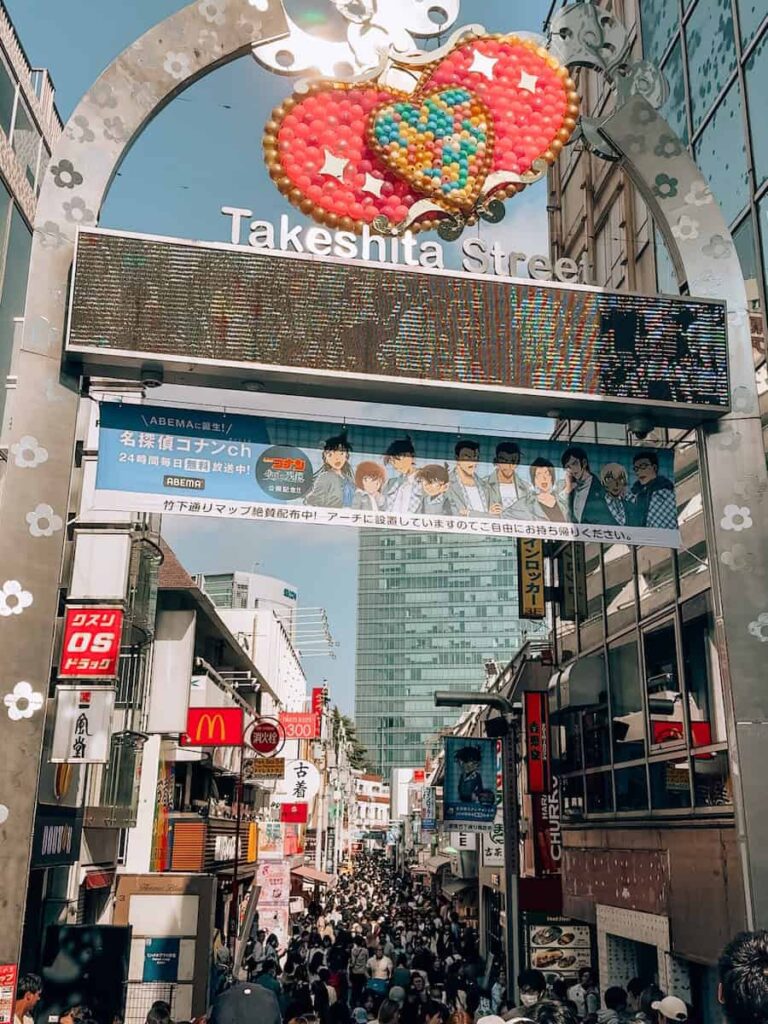
Just a short walk from Meiji Jingu Shrine is Takeshita Street, Tokyo’s iconic pedestrian street in Harajuku. It is famous for bold street fashion, playful snacks, and an atmosphere that feels energetic, youthful and may I say, chaotic? It is also, without fail, one of the most crowded streets every time I visit. Even though it is only about a ten minute walk from the calm of the shrine, it feels like stepping into an entirely different world, packed shoulder to shoulder with people and bursting with color in every direction.
I remember on my first visit to Tokyo when I was in high school, I was completely shocked by the scenery here, with all the kawaii and gothic fashion stores, and all sorts of themed shops. Even now, this street manages to surprise me every time. I don’t spend a ton of time here because it just feels like sensory overload for me, but it is quite unique and I recommend at least walking through once to experience it for yourself.
In addition to all the trendy fashion stores, you’ll find all sorts of cute dessert shops, like rainbow cotton candy, crepes, and all kinds of colorful treats. Just be prepared for people. Lots of people.
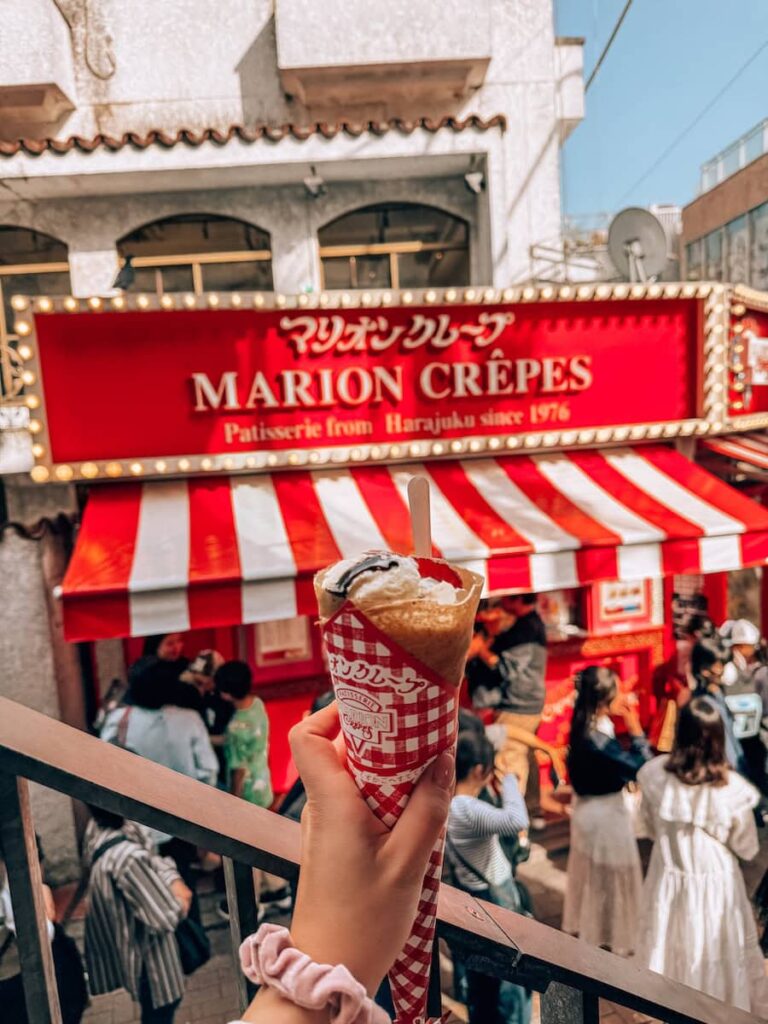
Next door is Omotesando, which is a neighboring area to Harajuku. Although they are basically overlapping geographically, the vibes are entirely different. If Harajuku represents young, trendy and experimental teenangers, Omotesando is the more mature, older sister version. As you walk from Harajuku towards Omotesando, you’ll notice the shift to luxury brands and more sophisticated, high-end boutiques with famous designer labels replacing the quirky street shops. If you prefer to shop in a mall, Omotesando Hills mall has seven floors of high-end fashion.
Sitting right between Harajuku and Omotesando is Cat Street, and this is where I personally find comfort. Not only is it physically between Harajuku and Omotesando, it feels a bit more grown up than Takeshita Street, but more approachable for your wallet compared to Omotesando. It’s laid-back, and hip. You can expect vintage stores, streetwear, and some really cool coffee shops to sit back and relax at in between shopping. If you’re into street fashion this is a great place to shop.
Evening: Shibuya
Tokyo has many amazing towers and observation decks, but this observation deck is by far my favorite.
Shibuya Sky is a 229 meter (751 feet) tall observation deck located on the 47th floor (top floor) of Shibuya Scramble Square Tower.
The most unique feature about this place is its open-air deck that offers a 360-degree panoramic view of Tokyo.
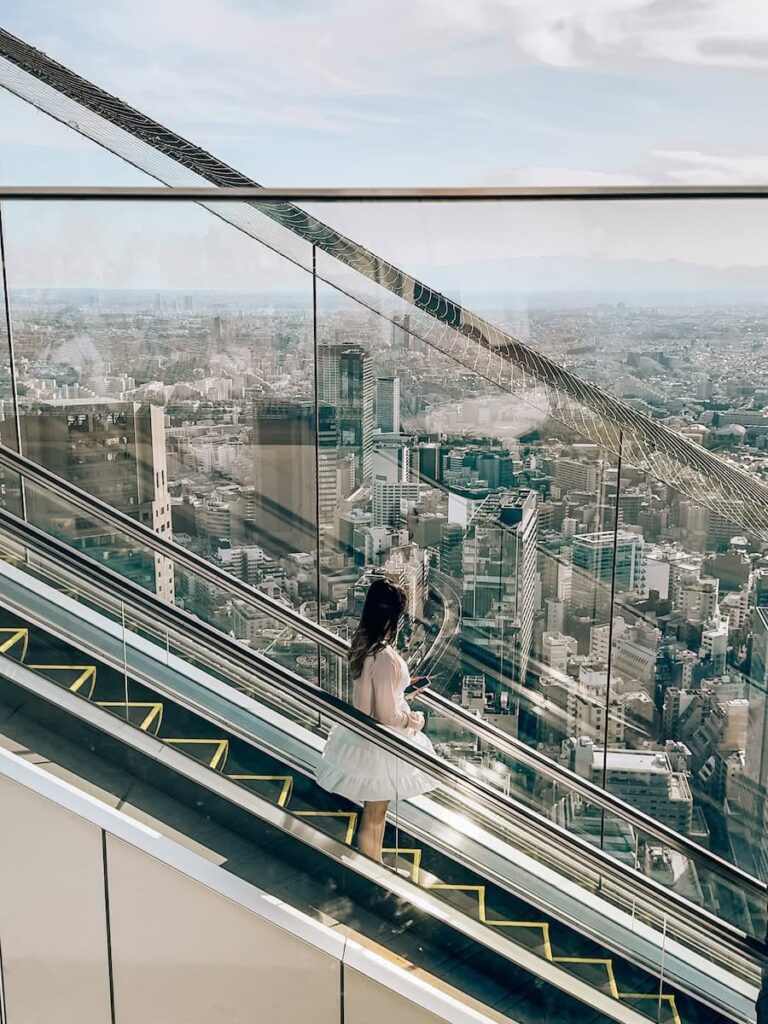
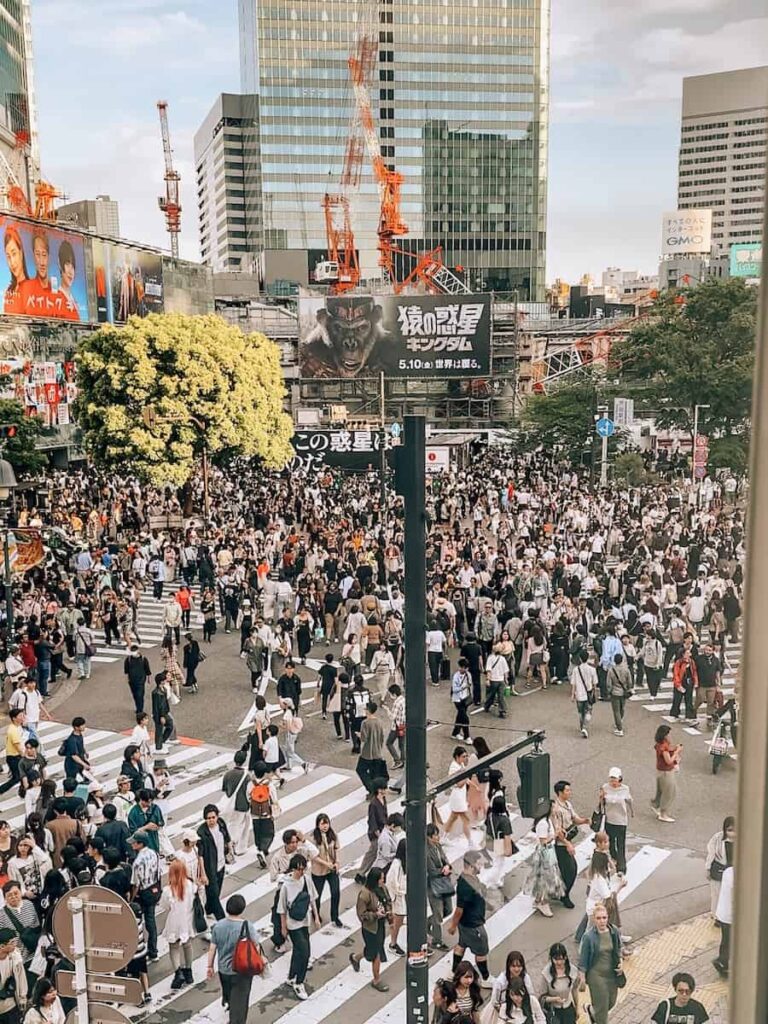
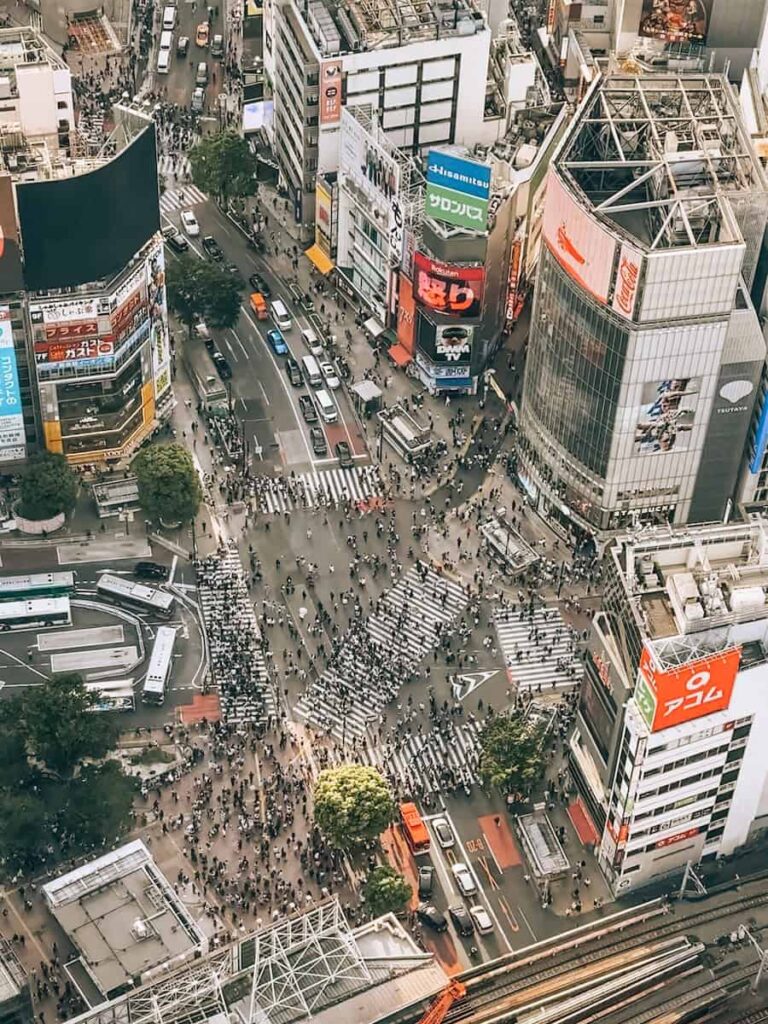
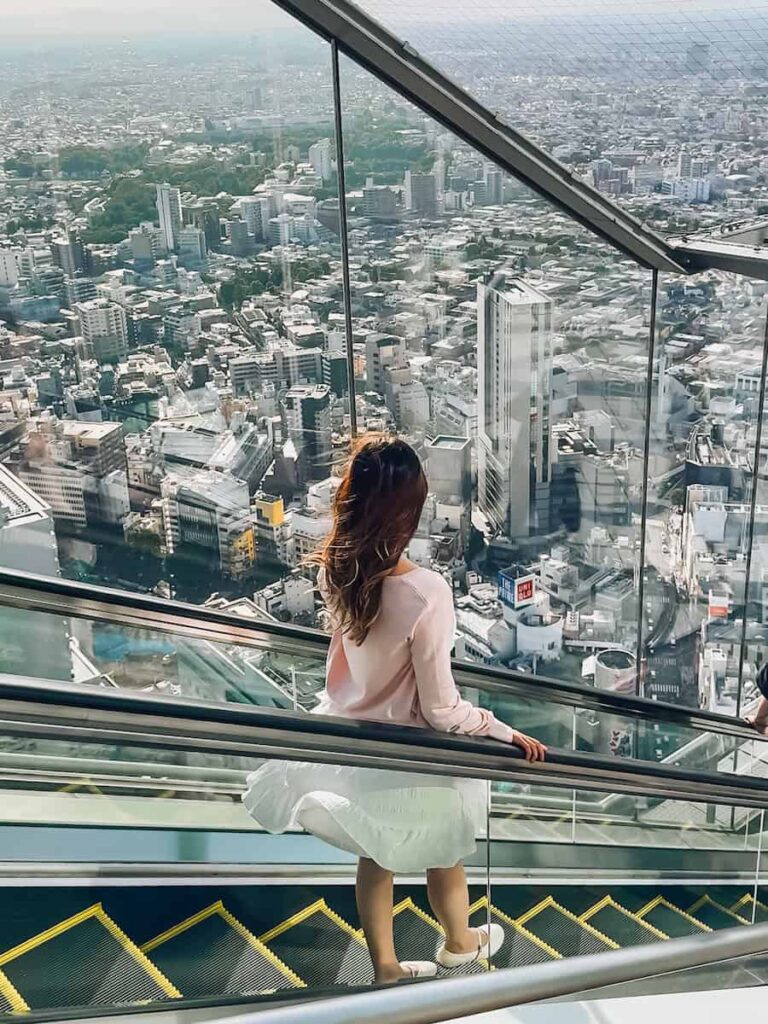
Best time to visit is at sunset when the colors are changing and glowing, but it is incredibly difficult to get sunset tickets due to its popularity. People set alarms and log on to purchase sunset tickets as soon as they are released (can’t deny I’ve tried this myself too… and failed).
Honestly, I went during the day and it was an incredible experience. Night time when Tokyo’s lights are flickering seems just as breathtaking.
You can see the famous Shibuya Scramble crossing from Shibuya Sky.
If you were too tired to hit up the Golden Gai or Omoide Yokocho yesterday, Shibuya has a yokocho worth visiting, called Nonbei Yokocho. You could grab some yakitori (skewers) and sake to end the night before returning to your hotel.
Day 3: Asakusa, Ueno, Akihabara
Morning: Asakusa and Sensoji Temple
Tokyo is known as a city with skyscrapers and modernization compared to Kyoto which is known for its temples and more traditional landmarks, but today we’ll explore a bit of Tokyo’s glimpse into old times.
Head to Asakusa, a historic district in northeastern Tokyo. You can take the subway to Asakusa Station.
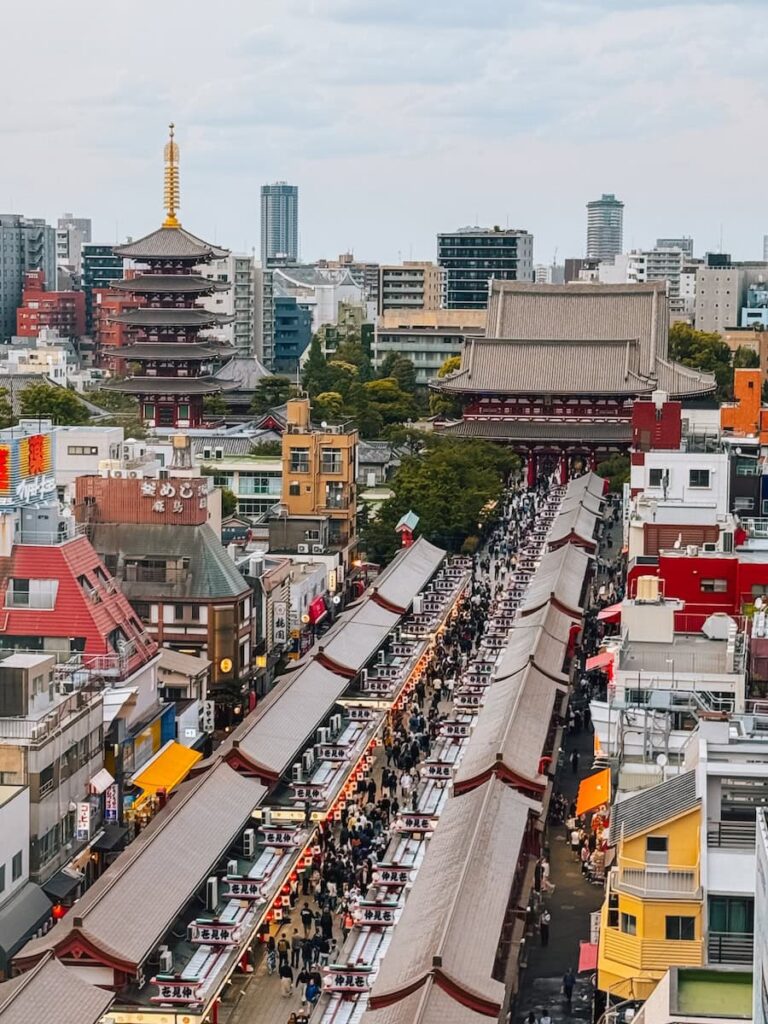
Walk through Nakamise shopping street which is one of my favorite places to browse for traditional goods and snacks. This area will get super crowded, so don’t expect to find yourself alone here. And make sure to bring some cash because the street food vendors here only accepted cash.
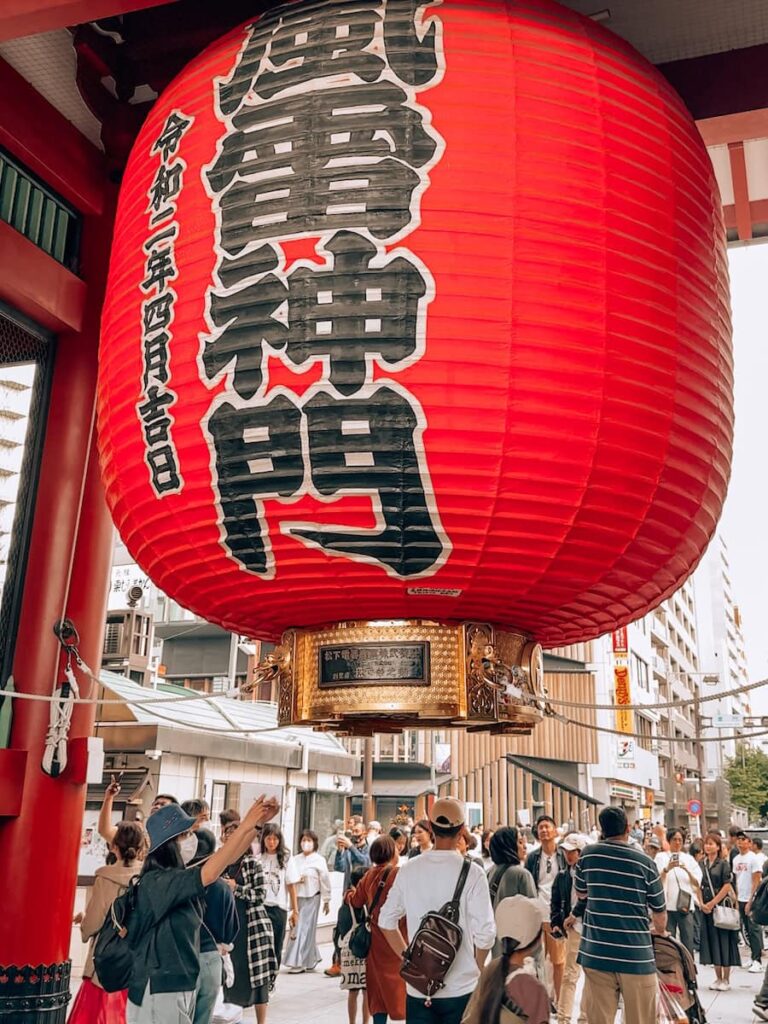
Once you walk along the length of Nakamise main street, you’ll come upon Sensoji Temple, the oldest temple in Tokyo. Take photos at the iconic Kaminarimon, or the Thunder Gate with the giant red lantern. Explore the main hall, and the 5 story pagoda which are all part of the temple complex.
There’s one more place I recommend you stop by while you’re here. Head back to the Kaminarimon Gate, and across the street you’ll find the Asakusa Culture Tourist Information Center. This is an 8-story building and you can take the elevators to the rooftop for free to see incredible. views of the Senso-ji temple, Nakamise-dori, and Tokyo Skytree.
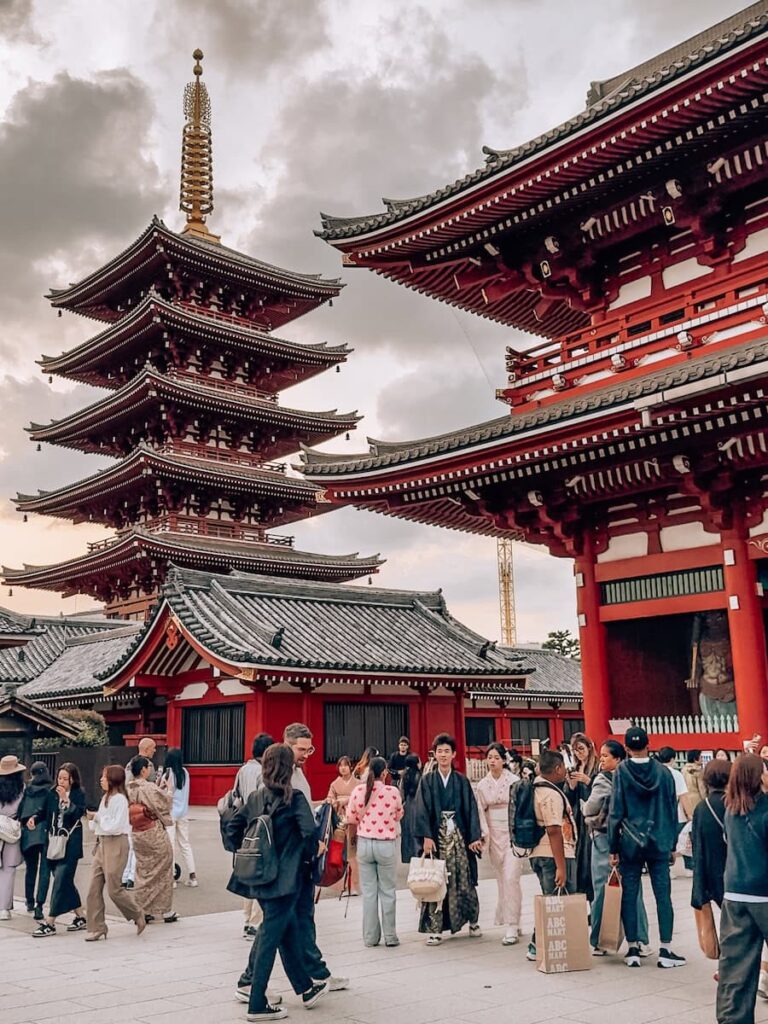
If you wanted to experience wearing a kimono, Asakusa is a great place for this.
Tokyo Skytree is the tallest building in Japan, and had not just one but two observation decks at 350m and 450m high. If you plan on going, I recommend pre-booking tickets to avoid waiting in queue.
Klook.comAfternoon: Ameyoko Market
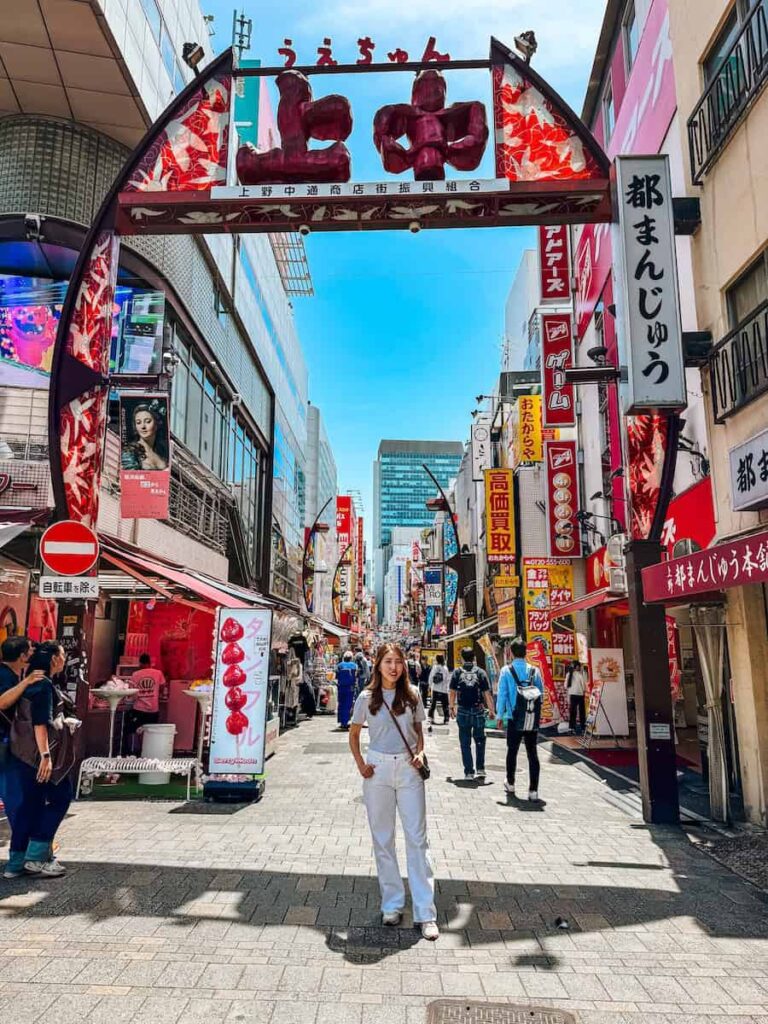
From Asakusa Station, take the Ginza Line (subway) to Ueno Station. Walk about 4 minutes from the station and you’ll arrive at Ameyoko Market. This is another vibrant street market with food stalls, candy shops, and restaurants. It has a nostalgic old school Tokyo atmosphere, and it’s a fun place to wander around and get snacks or lunch at.
If you have time, you could also stop at Ueno Park which is right around the corner. There’s the beautiful Shinobazu Pond, lots of cherry trees in the spring, and various cultural facilities such as the Tokyo National Museum.
Evening: Akihabara
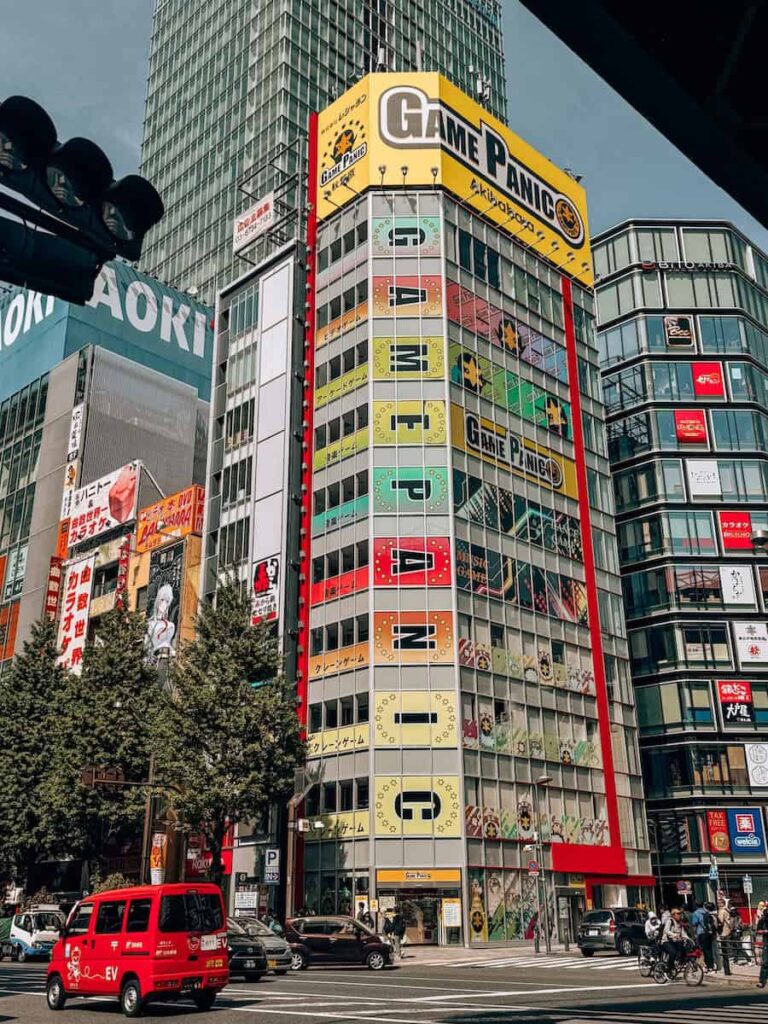
Now hop back on the subway and head to Akihabara Station. Known as Tokyo’s “Electric Town” this is the part of town that is literally buzzing with energy all the time but I haven’t had the chance to visit until my most recent trip.
My favorite place here was GIGO, one of the many buildings filled with games and arcades. The large GIGO store closed as of August 2026, but it has re-opened as Silk Hat Akihabara which I’m excited to visit on our next trip to Tokyo. Even as an adult I had a lot of fun in these game stores. There’s traditional arcade games, retro games, video games, endless rows of gacha machines (capsule toys), and claw machines. Just be careful not to spend too much money here!
Akihabara is also full of hobby shops, themed cafes (famous maid cafes and character cafes), collectible shops, and electronic stores.
I love using Klook for my hotels, transportation and activities in Japan. You can use my code MINYWANDER for 10% off your total (10% for new customers and 3% for returning. I recommend maximizing your first purchase for the biggest discount!)
Day 4: Ginza, Tokyo Station
Morning: Tsukiji Market
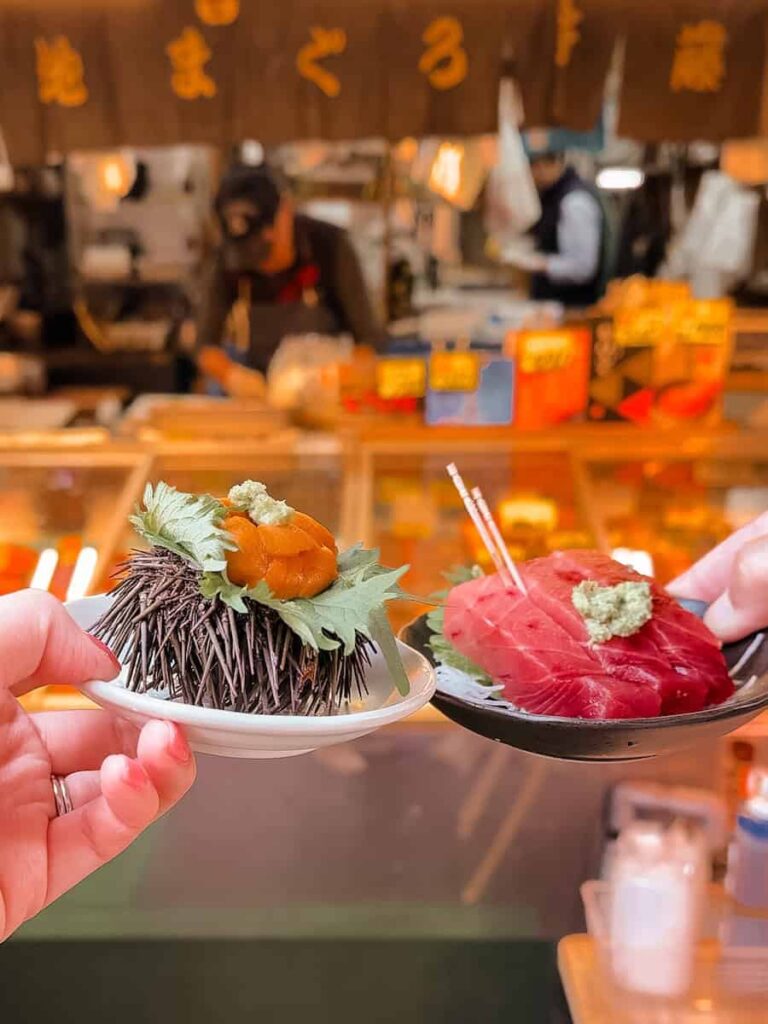
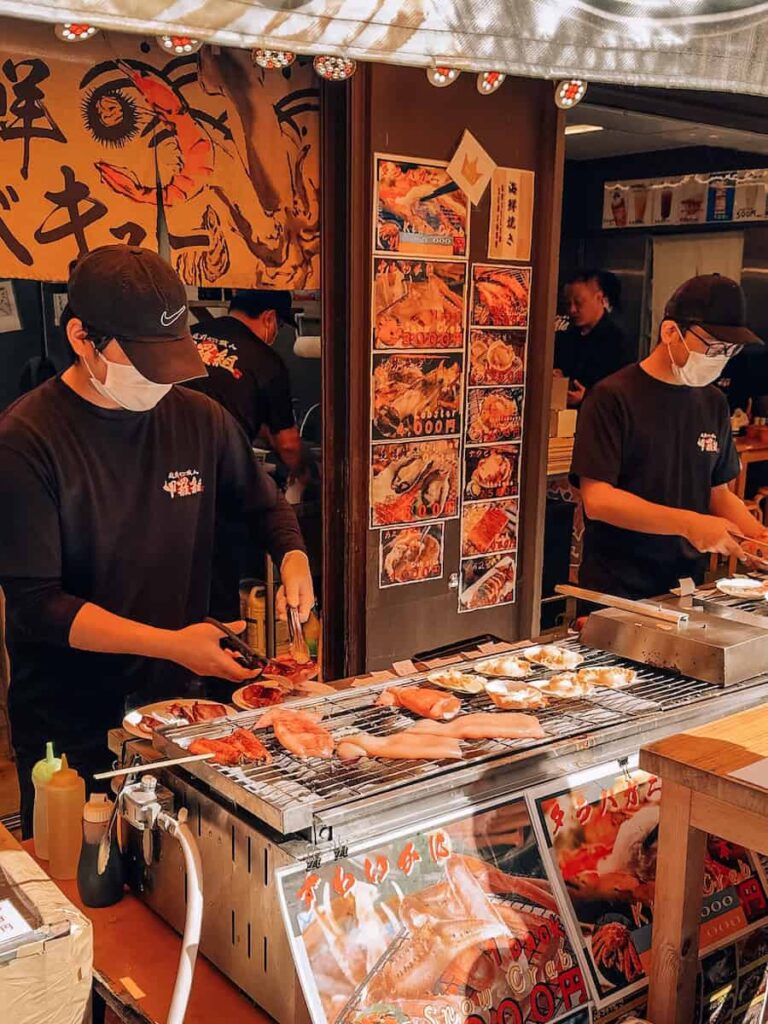
Get up early today to head to Tsukiji Outer Market. You have to get here early, because trust me, it will get super packed real quick. I don’t normally eat sushi at 9 am but, when in Tokyo and when at Tsukiji, it’s totally acceptable!
Tsukiji fish market used to include a wholesale fish market, but this portion has moved to Toyosu and the current Tsukiji outer market consists of mostly food stalls and restaurants. Everything we tried here was good. The prices? Not so good. It was undeniably really expensive, but worth the experience.
Afternoon: teamLab
There are 2 different teamLab exhibitions in Tokyo. The teamLab Borderless and teamLab Planets. I’ve been to Borderless and LOVED it, but I have not been to Planets so I can’t give you a comparison. Some of the rooms are the same at both locations, but Planets is unique in that it includes areas where you’ll be walking barefoot in water.
I’ve been to many of these immersive art exhibitions now including the Arte Museum and Carrières de Lumières, and I have to say teamLabs really does a fantastic job with their exhibits. My husband and I had so much fun exploring all the different displays and interactive spaces in teamLab Borderless. I can’t wait to go back and visit Planets next time.
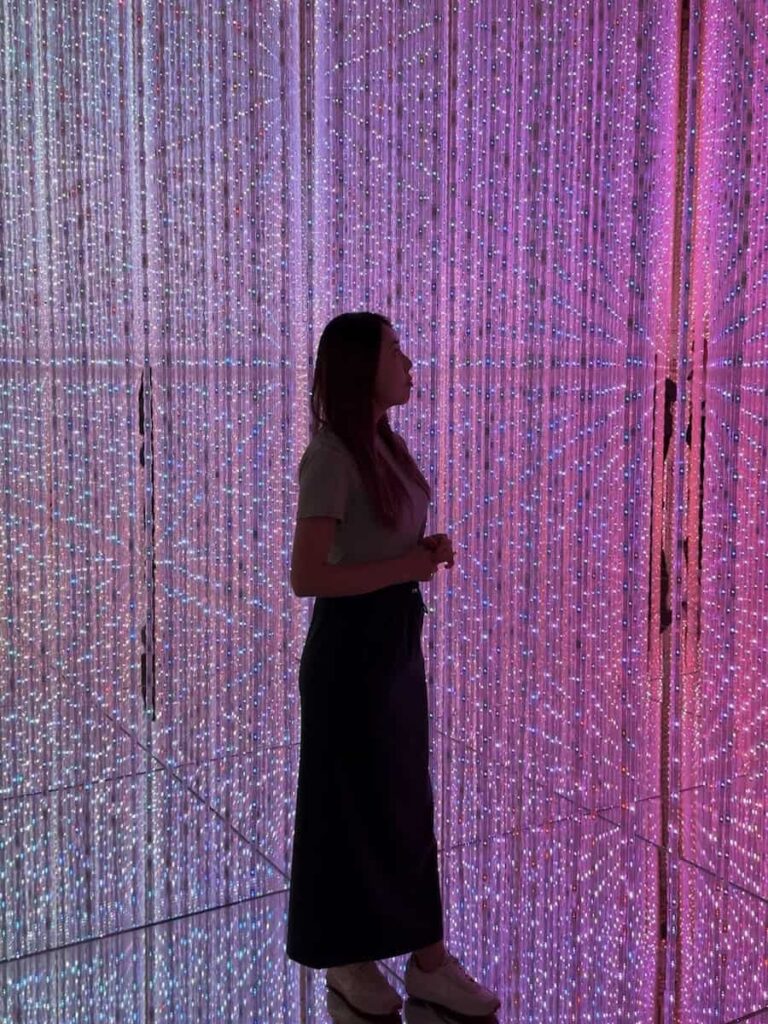
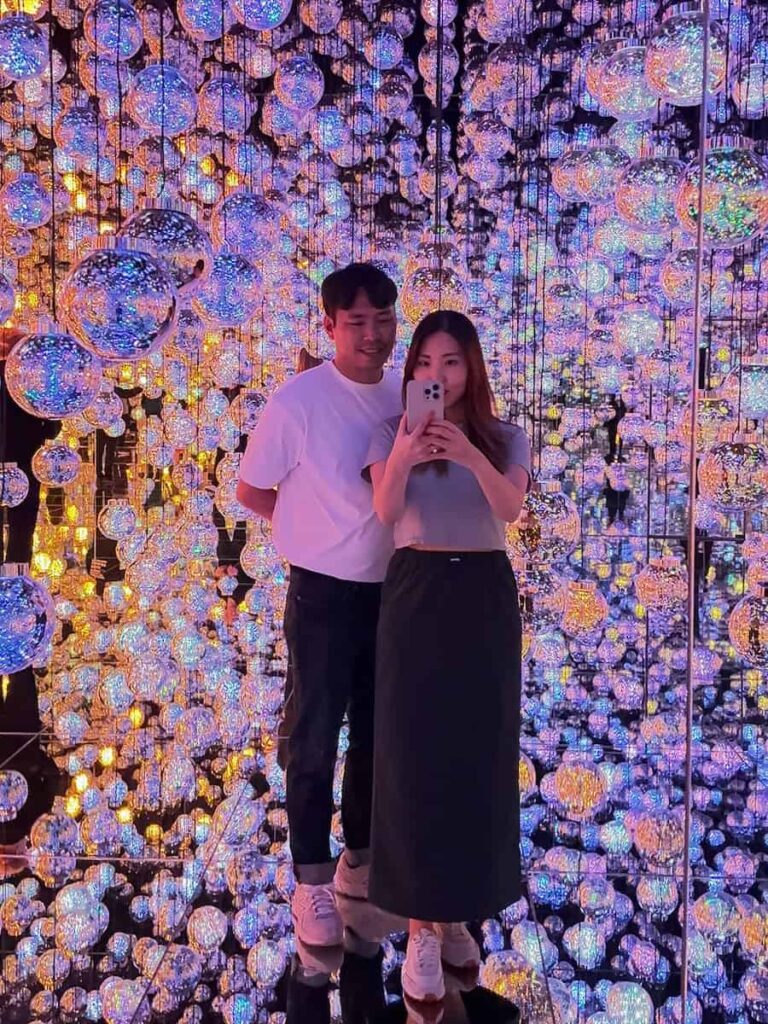
Choose one of the teamLab experiences, and make sure to pre-book your tickets for these. Borderless is located in Azabudai Hills, whereas Planet is located in Toyosu. Both are located about 20 minutes by public transportation + walking from the Tsukiji outer market.
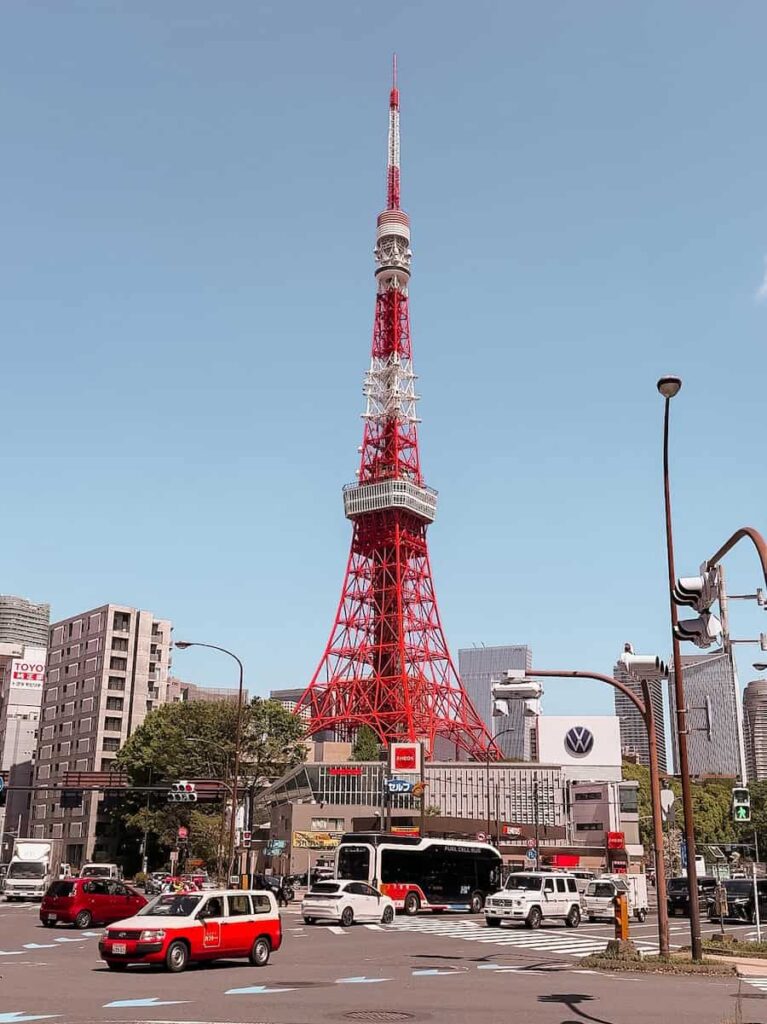
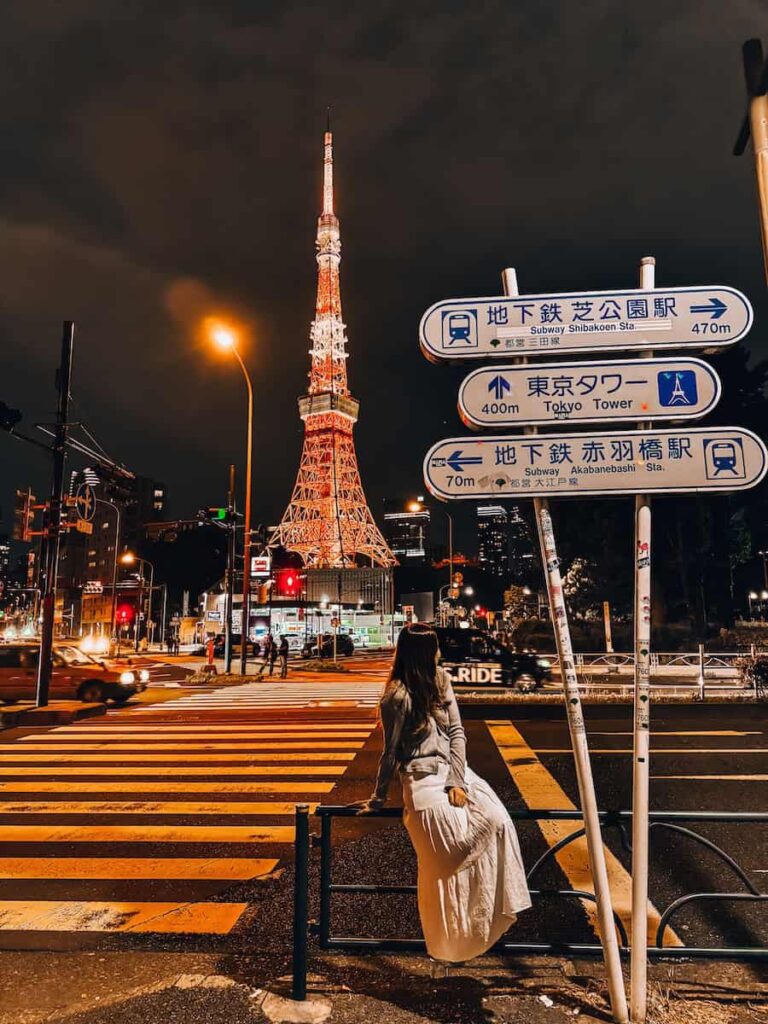
If you’re visiting Borderless, Tokyo Tower is just around the corner, so take the 5-minute walk over and admire the red tower that was inspired by the Eiffel Tower. Personally, I think the views OF the tower are better rather than from the tower itself, and Shibuya Sky or Skytree has better views so I would skip going up the tower.
Evening: Ginza & Tokyo Station
Ginza is one of my favorite places to shop. I love this area for its cleanliness, and upscale vibes. My favorite places to stop by in Ginza are the Japanese flagship stores including Uniqlo, GU, and Muji.
And since you’re so close to Tokyo Station, a 2 minute subway ride from Ginza Station, I recommend stopping by.
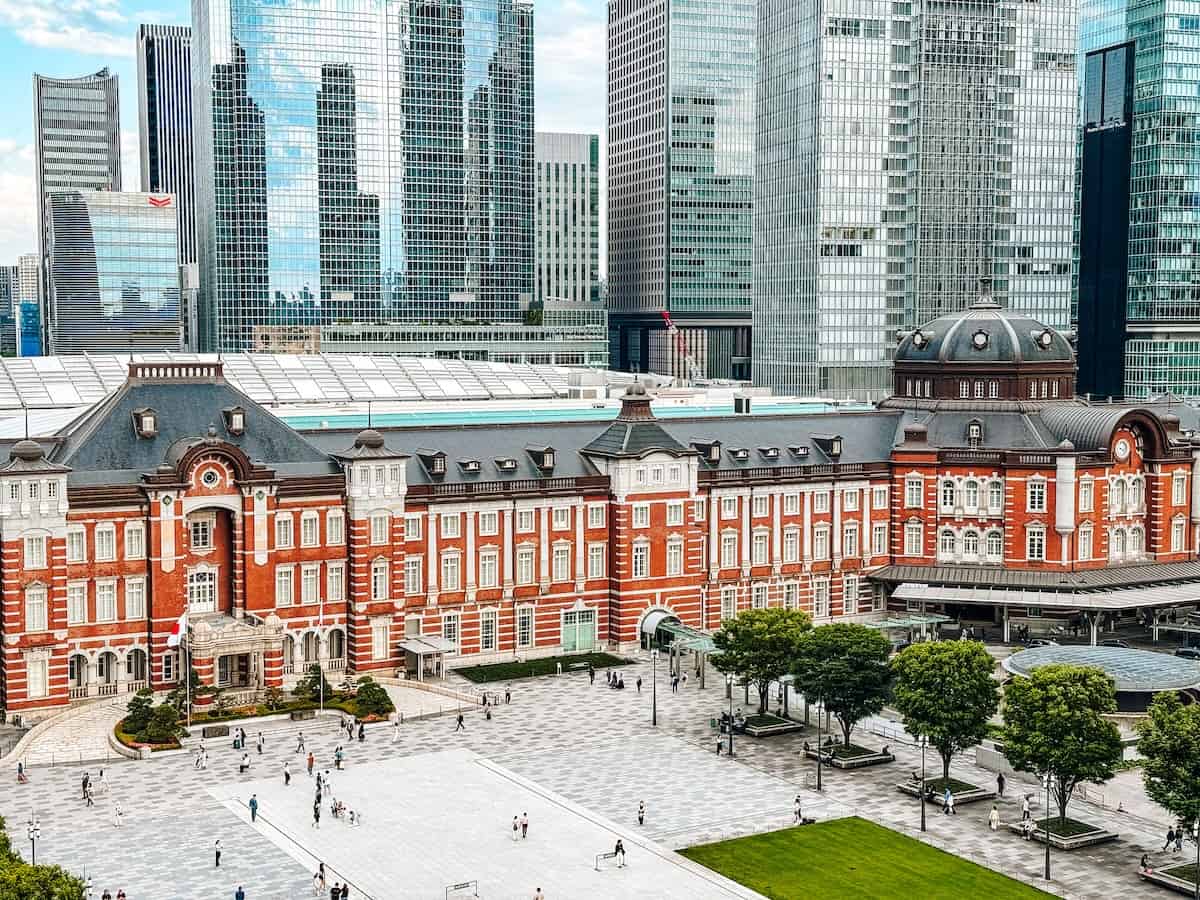
Tokyo Station is not just a huge transport hub, but the historic architecture in its red-brick Neo-Baroque style is worth checking out. It also boasts a large underground shopping and dining scene.
If you want a nice view of the station, head to the Tsutaya Bookstore in Marunouchi Building for a nice view of the red brick building. Alternatively you can head to KITTE Garden Rooftop garden which is free to enter, and get views of the beautiful station. It’s even more beautiful at night time when the Tokyo Station is illuminated.
Day 5: Mt. Fuji Day Trip
On your last day, venture out of Tokyo for a day trip.
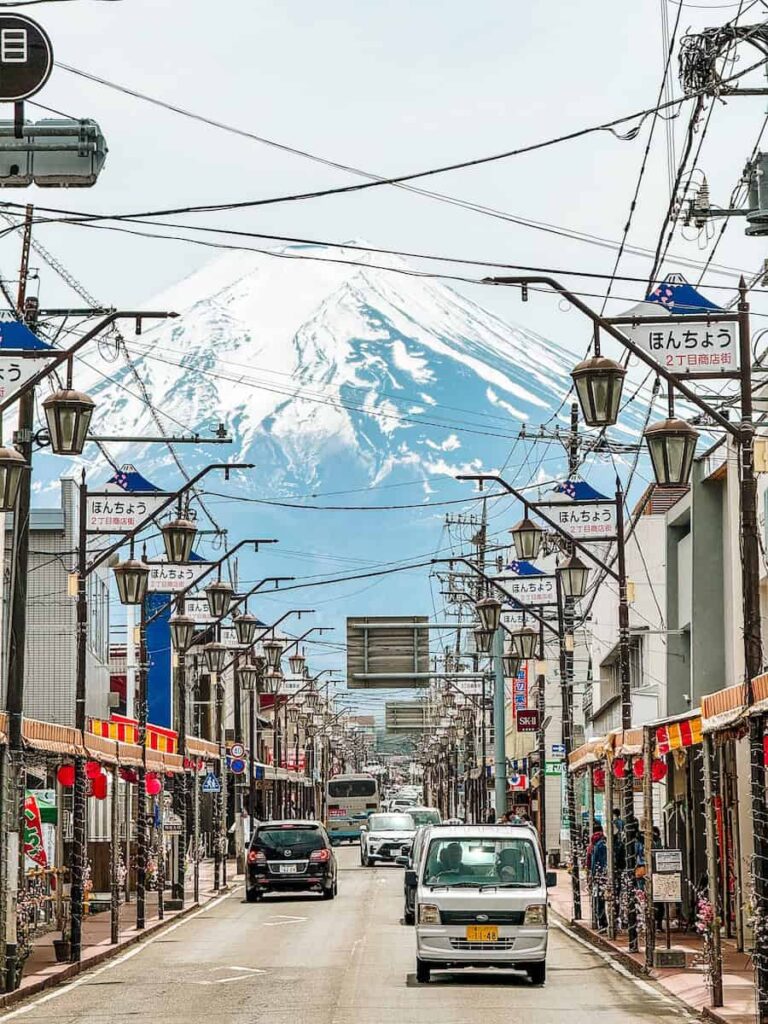
Lake Kawaguchi and Hakone are two best places to see Mount Fuji near Tokyo.
These places are best done as an overnight stay and I spent one night in Kawaguchiko, but you can certainly do it as a day trip if you spend a full day.
I have a whole post on how to get to Kawaguchiko from Tokyo and things to do there, so definitely take some time to read this post.
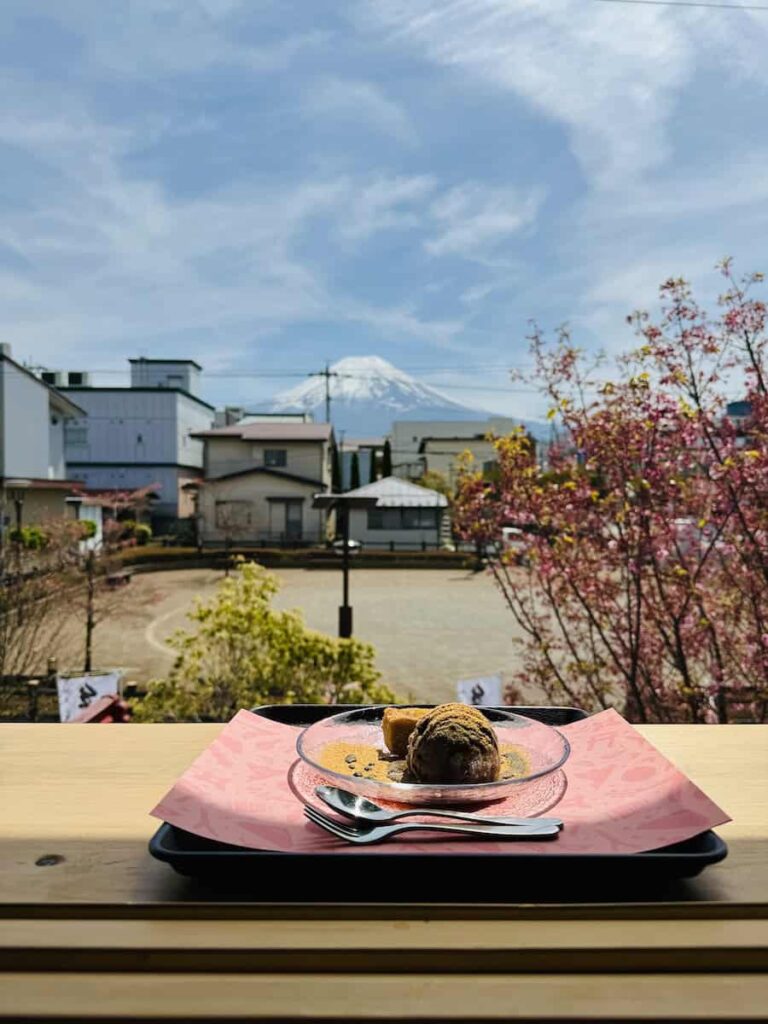
One important thing to note is that visibility for Mt. Fuji is not guaranteed. I was lucky to have had clear conditions when I went in April, but generally, you’ll have higher chances of seeing Mt Fuji in the winter, and pretty slim chances in the summer time. If you choose to do it as a day trip, check the weather forecast ahead of time and once it gets closer to your trip, choose the clearest day with a lot of sun as your day trip day.
Alternative Options for Day 5
If visibility is poor or visiting Mount Fuji isn’t a priority for you, then here are other options you can consider during your Tokyo itinerary:
Tokyo Disneyland & DisneySea
I’ve been to Tokyo Disneyland twice before, and I always feel like a child at heart when I’m visiting. If you’re visiting with children, or you’re just a child at heart like me, then a trip to Tokyo Disneyland and DisneySea is absolutely worth it! It takes approximately an hour from Shinjuku, or just 25 minutes from Tokyo Station by train.
Kamakura
I haven’t actually visited Kamakura yet, but it’s one of the first things on my list to do when I return to Tokyo. Kamakura is a historic coastal city located south of Tokyo, with numerous Buddhist temples and Shinto shrines, beaches, and a rich cultural heritage with serene atmosphere.
The railway crossing near Kamakurakokomae Station was featured in the opening of the anime Slam Dunk, and it’s become a tourist hotspot which I admittedly want to visit as well. It takes about an hour from Shinjuku to Kamakura on the train.
Final Thoughts on this 5 Day Tokyo Itinerary
This 5 day Tokyo itinerary was designed to highlight the best of Tokyo for first-time visitors without losing too much time getting around in the largest city in Japan. Tokyo is enormous, and while it can feel overwhelming at first, this plan keeps things efficient and well balanced.
Think of this itinerary as a backbone rather than a rigid schedule. Each neighborhood mentioned deserves far more time, and you can easily dive deeper depending on your interests.
Five days is enough time to get an introduction to Tokyo, but I guarantee you it will leave your yearning to return to Tokyo to discover more yummy spots, hidden gems, and entirely different neighborhoods.
I hope this guide helps make planning your first trip to Tokyo feel easier and more exciting. Be sure to explore my other Japan guides as well!
Frequently Asked Questions
Is 5 days enough time in Tokyo for a first visit?
Yes. Five days is a great amount of time to experience Tokyo for the first time without feeling rushed. It allows you to explore several major neighborhoods, enjoy the food scene, and get comfortable navigating the city. While it will not cover everything, it provides a strong introduction.
Can I adjust this itinerary based on my interests?
Absolutely! This itinerary is meant to be flexible. If you love shopping, food, history, or pop culture, you can easily spend more time in specific neighborhoods and skip others that interest you less.
Is this itinerary suitable for slower paced travelers?
Yes. While the itinerary is efficient, it is not overly packed. You can easily slow things down by spending more time in one area, taking longer meals, or adding café stops throughout the day.
Do I need to book attractions in advance?
Some popular attractions, experiences, and restaurants in Tokyo do require advance reservations, especially during peak travel seasons like cherry blossom season and autumn. Booking ahead will help you avoid long lines and sold out experiences. Ones I would make sure to book ahead are teamLab Planets or teamLab Borderless, DisneyLand and DisneySea, Shibuya Sky.
Is Tokyo easy to navigate for first time visitors?
Yes. Tokyo is very well organized and public transportation is reliable and efficient. While the train system looks complex at first, it becomes easy to use after the first day.
What if I have more than 5 days in Tokyo?
If you have extra time, consider slowing down the pace or visiting more local neighborhoods such as Daikanyama and Nakameguro, or adding day trips like Nikko, Kamakura, Hakone or Tokyo Disneyland.
Is this itinerary family friendly?
Yes. Tokyo is clean, safe, and extremely family friendly. Many neighborhoods offer parks, interactive attractions, and plenty of food options for all ages. The only place I would avoid with children is Kabukicho especially at night.
Check Out My Other Japan Guides Here:
-
Where to Stay in Tokyo: 5 Best Areas and Hotels
-
The Ultimate 5 Day Tokyo Itinerary: Best Guide for First Timers
-
Complete Japan Train Travel Guide: Costs, Passes, and How to Book
-
Hotel Review: Hyatt Centric Ginza Tokyo (Japan)
-
How to get from Tokyo to Lake Kawaguchiko for Mount Fuji
-
The Perfect 3 Day Kyoto Itinerary: Ultimate Guide for Best Time in Japan
-
Tokyo Travel Guide – Best Things to do in Tokyo
-
Kyoto Travel Guide
-
How to Get Around in Japan – Essential Japan Transportation Guide
2 Comments